
Latest Posts
- How GLP-1 Medications Help People Build Healthier Long-Term Eating Habits

- Why Doctors Are Increasingly Recommending GLP-1 Medications for Type 2 Diabetes
- The Biggest Myths About Placebo Groups in Clinical Trials

- How to Protect Your Joints So They Last a Lifetime

- The Connection Between Physical Health and Mental Wellbeing

Categories
Archive
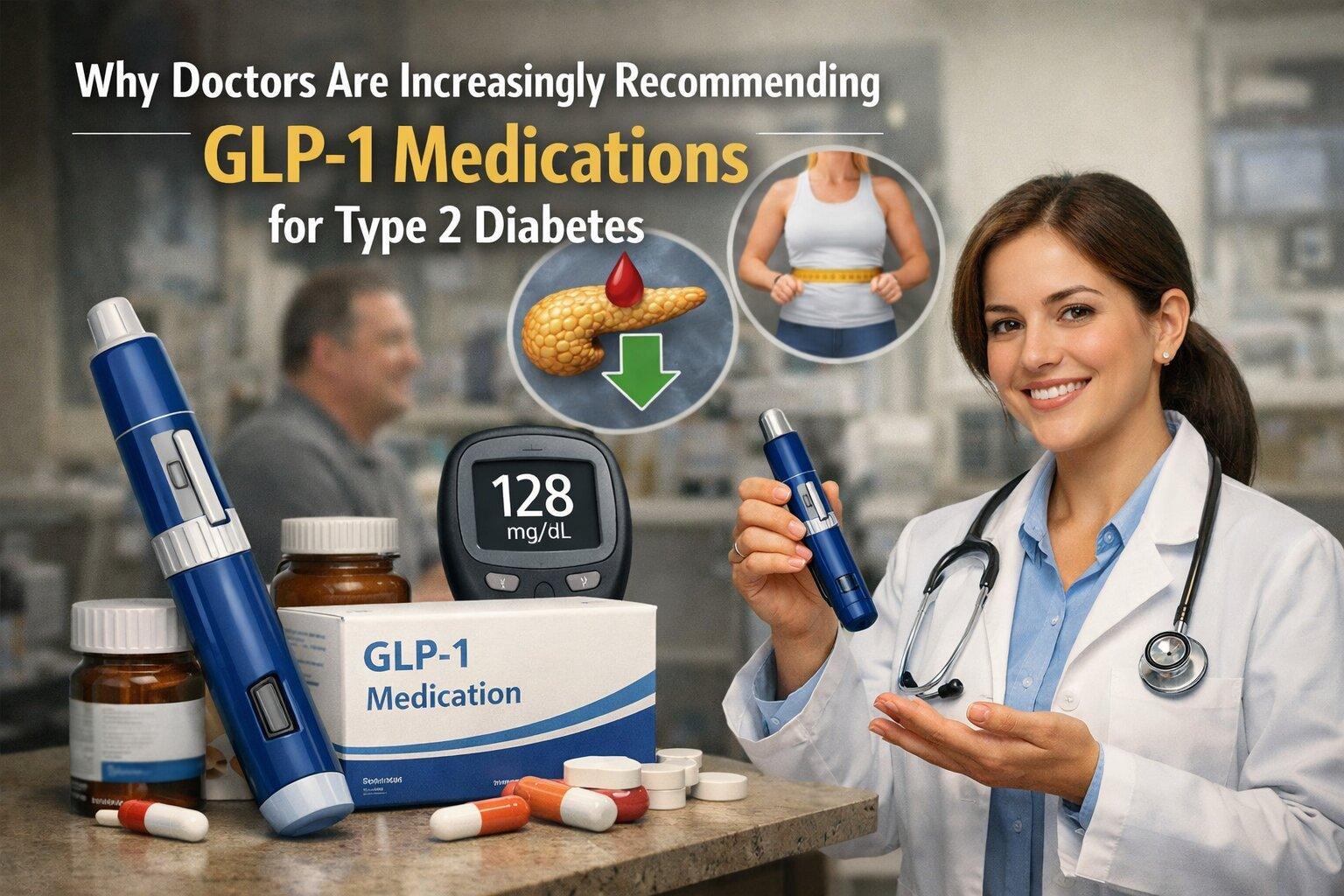
Something has shifted in how type 2 diabetes gets treated. A class of medications that was once considered a later-line option has moved closer to the front of clinical conversations, and the reasons for that shift are grounded in what the data has shown over the past decade. GLP-1 receptor agonists are now among the most recommended treatments in type 2 diabetes care, and the clinical reasoning behind that is worth understanding.
Blood Sugar Control That Works Through Multiple Channels
Most diabetes medications work on one mechanism. GLP-1 receptor agonists work on several at the same time. They stimulate insulin release when blood sugar rises after eating, suppress glucagon to stop the liver from releasing stored glucose at the wrong time, slow digestion to flatten post-meal glucose spikes, and reduce appetite through brain receptors. No single-action drug covers that much ground at once.
For patients whose blood sugar has not responded adequately to metformin or other first-line treatments, that breadth of action is clinically significant. Doctors are not choosing GLP-1 medications over other options based on preference. They are choosing them because the mechanism fits what multiple-pathway glucose dysregulation actually requires.
HbA1c Reductions That Hold Over Time
The standard measure of blood sugar management in type 2 diabetes is hemoglobin A1c, or HbA1c. It reflects average glucose levels over roughly three months and is the number doctors track to assess whether treatment is working. GLP-1 receptor agonists have produced consistent, sustained HbA1c reductions in clinical trials, and those reductions hold across study periods of a year or longer.
The SUSTAIN trial program on semaglutide and the LEADER trial on liraglutide both showed patients maintaining lower HbA1c levels compared to placebo over extended follow-up periods. What makes those findings clinically persuasive is not just the magnitude of reduction but the durability. A medication that lowers blood sugar for three months and then loses effect is useful. One that sustains the improvement across a year or more changes what long-term disease management looks like.
Cardiovascular Benefits That Go Beyond Blood Sugar
Type 2 diabetes carries a significantly elevated risk of heart attack, stroke, and cardiovascular death. For a long time, diabetes medications were evaluated almost entirely on their glucose-lowering effects. The cardiovascular outcome trials that regulators began requiring in the 2000s changed that, and GLP-1 receptor agonists came out of those trials with findings that went beyond what anyone was primarily testing for.
The LEADER trial showed that liraglutide reduced the rate of major cardiovascular events, including heart attack and stroke, in patients with type 2 diabetes and established cardiovascular disease. The SUSTAIN-6 trial showed similar results for semaglutide. These were not secondary findings buried in the data. They were primary outcomes that changed how cardiologists and endocrinologists think about this drug class.
Doctors who treat patients with both type 2 diabetes and heart disease now have a medication that addresses both conditions through a single prescription. That kind of dual benefit is rare, and it is a primary driver of the shift in recommendation patterns.
Kidney Protection as an Additional Benefit
Diabetic kidney disease is one of the most common complications of poorly managed type 2 diabetes. The FLOW trial, which reported results in 2024, showed that semaglutide reduced the progression of kidney disease in patients with type 2 diabetes and chronic kidney disease (CKD). The trial was stopped early because the benefit was clear enough that continuing to give placebo to the control group was considered unethical.
Kidney protection was not the original reason GLP-1 medications were developed or initially prescribed. It emerged from the trial data. That pattern, a medication studied for one purpose producing benefits across multiple organ systems, has accelerated interest in this drug class across specialties that go beyond endocrinology.
Weight Loss That Supports Better Glucose Management
People with type 2 diabetes who carry excess weight face a compounding problem. Extra body fat, particularly visceral fat around the abdominal organs, worsens insulin resistance and makes blood sugar harder to manage. Weight loss relieves some of that resistance, which improves how the body responds to both its own insulin and any medication being used.
GLP-1 receptor agonists produce meaningful weight loss in most patients who take them. That weight reduction is not cosmetic in this context. It directly improves the metabolic environment the medication is working in. Doctors who see patients improve their blood sugar control and lose weight simultaneously are watching two reinforcing effects play out at once, which is a clinical outcome that older drug classes rarely produced.
Guideline Changes Reflecting the Evidence
The American Diabetes Association (ADA) and the European Association for the Study of Diabetes (EASD) have updated their joint guidelines to reflect the weight of evidence behind GLP-1 receptor agonists. For patients with type 2 diabetes and established cardiovascular disease, heart failure, or chronic kidney disease, GLP-1 receptor agonists are now recommended regardless of HbA1c levels. The recommendation is not conditional on whether blood sugar control is the primary concern. The organ-protective benefits alone are enough to warrant the prescription.
That kind of guideline language represents a meaningful shift. It tells practicing physicians that the evidence base is strong enough to recommend these medications on the basis of what they protect, not just what they lower.
What This Means for Patients Having the Conversation With Their Doctor
A patient with type 2 diabetes asking their doctor about GLP-1 medications today is entering a conversation that looks very different from the one that would have happened ten years ago. The evidence base is deeper, the guideline support is stronger, and the range of documented benefits extends well past blood sugar. That does not mean these medications are right for every patient. Kidney function, other medications, insurance coverage, and individual health history all factor into the decision.
What it does mean is that the question is worth asking, and the answer is more likely than ever to be yes.
This article is for informational purposes only and does not constitute medical advice. Always consult a qualified healthcare professional before starting, stopping, or changing any medication or treatment plan.