
Latest Posts
- How GLP-1 Medications Help People Build Healthier Long-Term Eating Habits

- Why Doctors Are Increasingly Recommending GLP-1 Medications for Type 2 Diabetes
- The Biggest Myths About Placebo Groups in Clinical Trials

- How to Protect Your Joints So They Last a Lifetime

- The Connection Between Physical Health and Mental Wellbeing

Categories
Archive
Most serious health conditions do not announce themselves with dramatic symptoms in their early stages. Hypertension runs silently for years before it produces a heart attack or stroke. Colorectal cancer grows slowly through stages where it is highly treatable before it progresses to stages where it is not. Type 2 diabetes develops across a long prediabetic phase where intervention is straightforward before it causes the organ damage that makes management far more complicated. Cervical cancer, when caught at the precancerous stage through routine screening, is almost entirely preventable. When caught after symptoms appear, the picture is considerably more difficult.
This is the fundamental argument for health screenings. They are not about finding problems you already know about. They are about finding problems before you would otherwise know about them, in the window where catching them changes the outcome in ways that waiting for symptoms cannot replicate. The value of a screening is entirely in its timing. A test that finds something early enough to treat easily or prevent entirely is worth vastly more than the same test administered after symptoms have arrived and the most treatable window has closed.
The screenings worth knowing about are not the same at every age. The conditions that deserve attention in your 20s are different from the ones most relevant in your 40s, which are different again from the priorities in your 60s and beyond. Understanding which screenings belong on your calendar at each stage, and why they matter specifically at that stage, is one of the most practical things you can do for your long-term health.
Screenings in Your 20s and 30s
The 20s and 30s are the decades most people spend least time thinking about health screenings, partly because serious illness feels distant and partly because the immediate demands of building a career, relationships, and a life leave little bandwidth for preventive medicine. This is understandable and also somewhat costly in the long run, because several conditions that benefit most from early detection are entirely present in this age group.
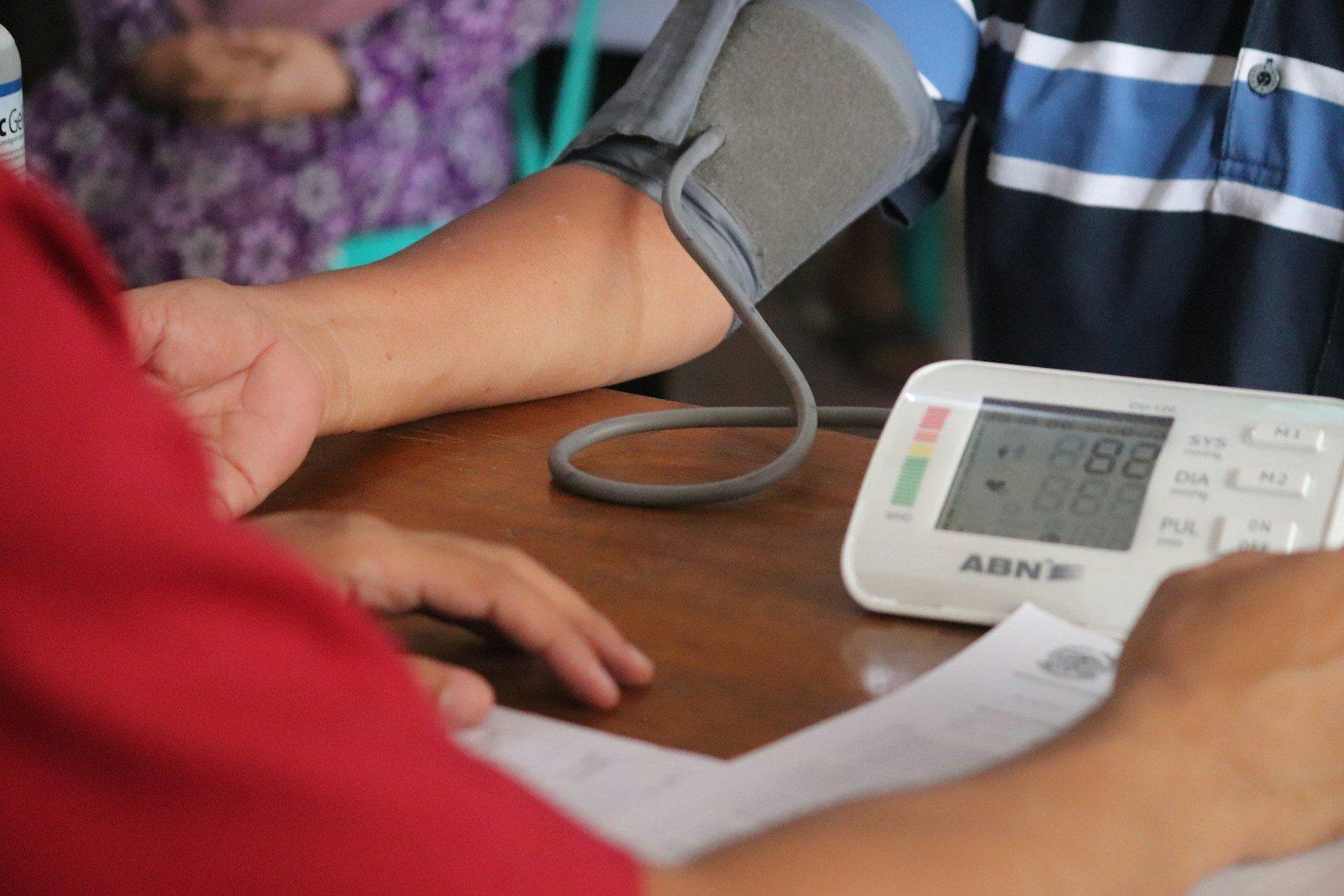
Blood pressure. Hypertension is not a condition that arrives only after middle age. It affects a meaningful proportion of young adults, often without any symptoms whatsoever. The American Heart Association recommends blood pressure checks at least every two years for adults with normal readings and more frequently for anyone who has shown elevated readings. A standard blood pressure cuff reading takes under two minutes and is available at most pharmacies without an appointment. There is no reasonable argument against getting this checked regularly given how easy it is and how significant the consequences of undetected hypertension are over time.
Cholesterol. A baseline lipid panel in the early 20s establishes a reference point and identifies the small proportion of young adults with familial hypercholesterolemia, a genetic condition that significantly elevates cardiovascular risk from a young age and is entirely manageable when identified early. Current guidelines recommend initial cholesterol screening by age 20 for most adults and repeat testing every four to six years for those with normal results, more frequently for those with elevated readings or risk factors.
Blood glucose. Prediabetes, the state of elevated blood sugar that precedes type 2 diabetes, is present in a substantial proportion of adults in their 20s and 30s without their knowledge. The US Preventive Services Task Force recommends screening for abnormal blood glucose in adults aged 35 to 70 who are overweight or obese, but a baseline test earlier than this is worth discussing with a doctor for anyone with risk factors including family history, sedentary lifestyle, or a diet high in refined carbohydrates.
Sexually transmitted infections. Chlamydia and gonorrhea are recommended annually for all sexually active women under 25 and for older women at increased risk. HIV testing is recommended at least once for all adults aged 15 to 65 and more frequently for those at higher risk. These screenings are worth mentioning specifically because they are among the most commonly skipped despite being among the most important for catching conditions that are easily treated when found early and significantly more complicated when they are not.
Skin checks. Monthly self-examination of the skin for new or changing moles, spots, or lesions is worth establishing as a habit from the 20s onward, particularly for anyone with fair skin, a history of significant sun exposure, or a family history of melanoma. Annual professional skin checks with a dermatologist are recommended for higher-risk individuals. Melanoma caught at an early localized stage has a five-year survival rate exceeding 98 percent. Caught after it has spread to distant organs, that figure drops dramatically.
Mental health screening. Depression and anxiety screening through brief validated questionnaires during routine primary care visits is recommended for all adults by most major clinical guidelines. The 20s and 30s represent the peak onset period for many mental health conditions, and early identification and intervention produces significantly better long-term outcomes than conditions that go unrecognized and unaddressed across years.
Dental checkups. Twice-yearly dental examinations do more than catch cavities. They identify gum disease, which has documented associations with cardiovascular disease, diabetes, and adverse pregnancy outcomes. They allow early identification of oral cancers, which are significantly more treatable at early stages. Establishing and maintaining a regular dental relationship in your 20s and 30s creates the continuity that makes changes over time detectable.
Screenings in Your 40s
The 40s are the decade where the preventive health picture expands meaningfully. The conditions that were theoretical risks in earlier decades become more statistically relevant, and several new screenings become age-appropriate.
Colorectal cancer screening. Current guidelines from the American Cancer Society recommend beginning colorectal cancer screening at age 45 for average-risk adults, a reduction from the previous recommendation of 50 reflecting increasing rates of colorectal cancer in younger adults. The colonoscopy, performed once every ten years in the absence of polyps, remains the gold standard because it is both a diagnostic and a therapeutic tool, allowing polyps to be removed during the same procedure. Non-invasive stool-based tests offer an alternative for those unable or unwilling to undergo colonoscopy and should be performed annually or every three years depending on the specific test used.
Diabetes screening. The US Preventive Services Task Force recommends screening for prediabetes and type 2 diabetes in all adults aged 35 to 70 who are overweight or obese. A fasting blood glucose test or HbA1c measurement provides a comprehensive picture of blood sugar status. Identifying prediabetes in this window is genuinely valuable because the condition is almost entirely reversible through dietary changes, increased physical activity, and weight management when caught at this stage.
Blood pressure and cholesterol. Annual blood pressure monitoring and cholesterol review every four to six years, or more frequently if readings have been elevated, remain relevant throughout the 40s. The cardiovascular risk calculation that combines cholesterol, blood pressure, smoking status, age, and other factors into an overall ten-year risk estimate becomes increasingly meaningful in this decade and informs decisions about lifestyle intervention and, where appropriate, medication.
Mammography. Current recommendations on mammography timing vary between major health organizations in ways that can be confusing. The American Cancer Society recommends annual mammograms beginning at 40 for average-risk women. The US Preventive Services Task Force recommends beginning at 40 for those who want to and at 50 as the routine starting point. Women with a family history of breast cancer or genetic risk factors benefit from earlier and more frequent screening and may be recommended to begin at 30 or even earlier in some cases. The conversation with a primary care physician about individual risk and timing is more valuable than a one-size-fits-all age recommendation.
Cervical cancer screening. Pap smear testing, which detects precancerous cervical changes before they progress to cancer, is recommended every three years for women aged 21 to 65, or every five years when combined with HPV testing for women aged 30 to 65. Cervical cancer is one of the most preventable cancers available through screening, and the precancerous changes it detects are highly treatable when found before progression.
Thyroid function. While there is no universal recommendation for routine thyroid screening in the absence of symptoms, thyroid dysfunction is significantly more common in women in their 40s and produces symptoms, including fatigue, weight changes, mood disruption, and temperature sensitivity, that are frequently attributed to other causes or to aging itself. A TSH test as part of a routine blood panel is a low-cost addition worth discussing with a doctor for anyone experiencing these symptoms without a clear explanation.
Eye examinations. Age-related changes in vision begin for many people in the early to mid-40s with the development of presbyopia, the reduced ability to focus on close objects that makes reading glasses necessary. Beyond vision correction, comprehensive eye examinations detect glaucoma, diabetic retinopathy, macular degeneration, and other conditions that have no symptoms in their early stages but significantly affect long-term vision if undetected. An examination every one to two years is appropriate for most adults in their 40s.
Screenings in Your 50s and 60s
The 50s and 60s bring an expanded screening calendar that reflects both the increasing statistical relevance of serious conditions in this age group and the greater benefit of early detection at ages when treatment outcomes are more directly shaped by how early a condition is found.
Lung cancer screening. Annual low-dose CT scanning of the chest is recommended for adults aged 50 to 80 who have a significant smoking history, specifically defined as 20 pack-years or more, and who currently smoke or have quit within the past 15 years. Lung cancer is the leading cause of cancer death in both men and women, and screening in this high-risk population has demonstrated a meaningful reduction in lung cancer mortality through earlier detection.
Abdominal aortic aneurysm screening. A one-time ultrasound examination of the abdominal aorta is recommended for men aged 65 to 75 who have ever smoked. An abdominal aortic aneurysm, a dangerous bulging of the main abdominal blood vessel, produces no symptoms until it ruptures, at which point mortality is extremely high. Identifying it through screening allows surgical repair before rupture at a mortality rate dramatically lower than emergency surgery after rupture.
Bone density scanning. Dual-energy X-ray absorptiometry, or DEXA scanning, measures bone density and identifies osteopenia and osteoporosis before fractures occur. Current guidelines recommend DEXA scanning for all women aged 65 and older and for postmenopausal women under 65 with risk factors. Men aged 70 and older and younger men with risk factors including long-term corticosteroid use or low body weight are also candidates. Identifying reduced bone density in this window allows intervention through calcium and vitamin D optimization, weight-bearing exercise, and medication where appropriate, before the first fragility fracture that often signals the condition’s presence in the absence of screening.
Hearing assessment. Age-related hearing loss affects a significant proportion of adults in their 50s and 60s and is associated with increased risk of cognitive decline, depression, and social isolation when unaddressed. Hearing assessment is not universally included in routine preventive care guidelines but is worth pursuing proactively for anyone noticing difficulty in conversations, particularly in noisy environments, or needing higher volumes for television and phone calls than others in the same household.
Cardiovascular risk assessment. A comprehensive cardiovascular risk assessment using established calculators that incorporate blood pressure, cholesterol, blood glucose, smoking status, family history, and age becomes increasingly important in the 50s and 60s. This assessment informs decisions about statin therapy, aspirin use, and the intensity of lifestyle intervention in ways that are meaningful for long-term cardiovascular outcomes.
The Thread That Connects All of It
Health screenings are most valuable when they are part of a consistent relationship with a primary care physician who knows your history, understands your risk factors, and can interpret your results in the context of your individual health picture rather than in isolation. A single blood pressure reading is a data point. A series of readings over years is a trend. A trend is where the most meaningful clinical information lives, because it shows direction rather than just current position.
Building and maintaining that relationship with a healthcare provider is itself one of the most important preventive health behaviors available, because it is the infrastructure through which all of the screenings above become contextualized, acted upon, and followed over time. A screening result without follow-up is a missed opportunity regardless of what the result shows.
The habits you build around regular screening sit alongside and reinforce the daily practices that constitute a comprehensive preventive health approach. Understanding preventive health habits that complement your screening calendar gives you the full picture of what proactive health management looks like in practice across every decade.
Showing Up Before Something Goes Wrong
The consistent theme across every screening recommended at every age is that the value lies entirely in showing up before something goes wrong rather than waiting until something has. That timing is the entire point and the entire advantage that screening offers over reactive medicine.
The conditions most worth screening for are the ones that are most treatable early and least treatable late. The screenings that catch them are the ones that belong on your calendar not because you feel unwell but precisely because you feel fine, and because feeling fine is not the same as being fine in ways that a brief, accessible test can reveal before the difference becomes consequential.