
Latest Posts
- How GLP-1 Medications Help People Build Healthier Long-Term Eating Habits

- Why Doctors Are Increasingly Recommending GLP-1 Medications for Type 2 Diabetes

- The Biggest Myths About Placebo Groups in Clinical Trials

- How to Protect Your Joints So They Last a Lifetime

- The Connection Between Physical Health and Mental Wellbeing

Categories
Archive
Most people hear the word inflammation and think of a swollen ankle or a sore muscle after a workout. That kind of inflammation is actually useful. Your body sends it in to protect and repair damaged tissue, and once the job is done, it fades. The kind of inflammation worth paying attention to is the one that does not fade. It stays low in the background, quiet and mostly invisible, and over time it has been linked to a wide range of health problems including heart disease, type 2 diabetes, joint pain, and fatigue that never quite goes away.
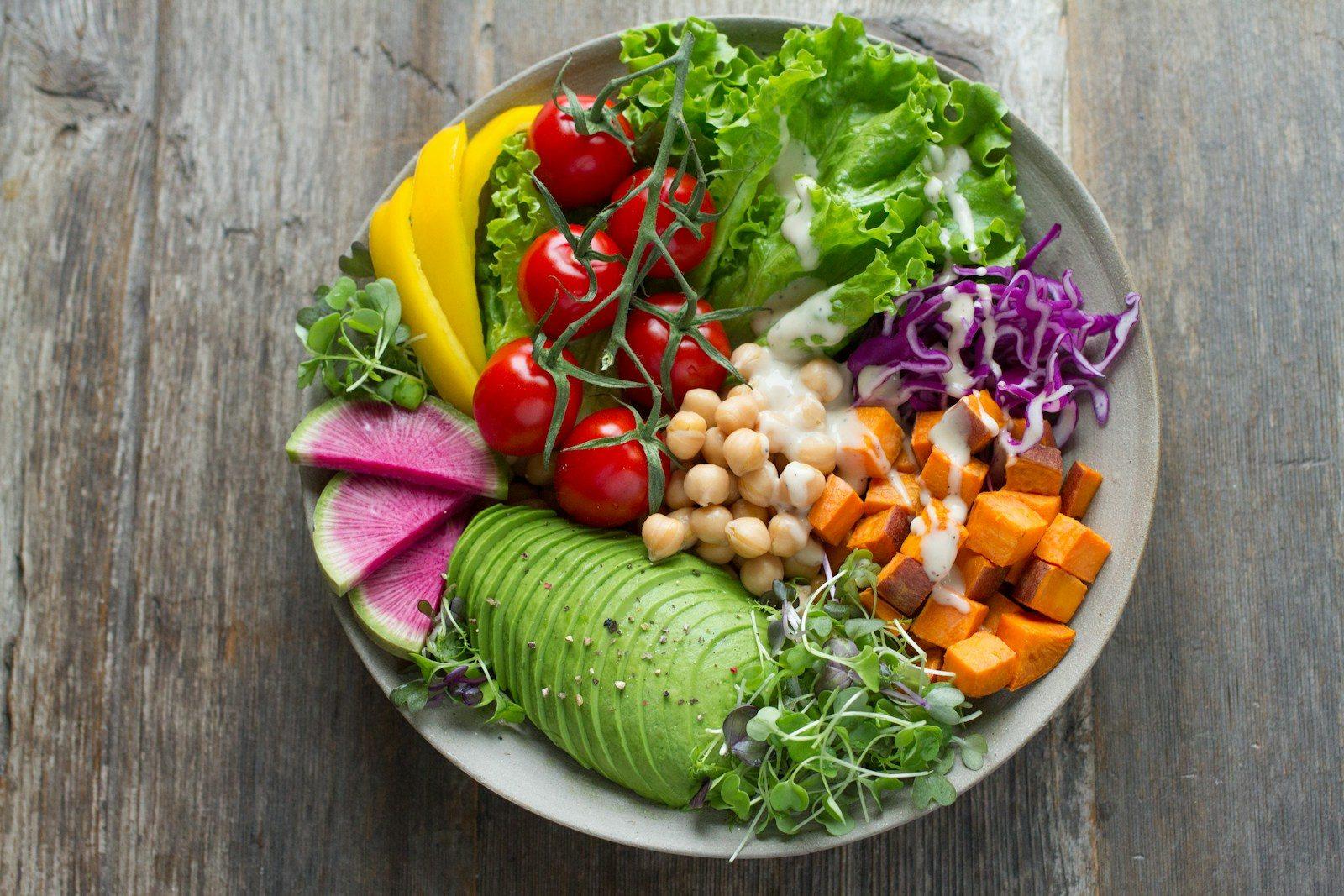
The encouraging part is that food has genuine influence over this. An anti-inflammatory diet is not a rigid program with a long list of banned foods. It is a way of eating that gives your body more of what it needs to keep inflammation in check and less of what triggers it in the first place. If you are new to this, the simplest version is also the most effective one.
What Inflammation Actually Does to Your Body
When inflammation stays elevated for months or years, it creates a low-grade internal stress that affects multiple systems at once. Your joints feel stiffer than they should. Your energy is harder to sustain. Your digestion feels off. Your immune system works harder than it needs to, which means it has less capacity left over for the things it should actually be responding to.
Chronic inflammation does not usually announce itself loudly. It tends to show up as a collection of small complaints that feel unrelated, tiredness you cannot shake, skin that flares up, aches that move around, or a general sense that your body is not quite running the way it used to. Diet alone is not the only factor, but it is one of the most consistent and controllable ones.
The Foods That Work in Your Favor
The foundation of an anti-inflammatory diet is whole, minimally processed food. That is the core idea, and everything else builds from it. A few categories stand out as particularly powerful.
Fruits and vegetables are the starting point. The pigments that give berries their deep color, that make leafy greens dark, and that turn bell peppers red and orange are the same compounds that have the strongest anti-inflammatory effect in the body. Blueberries, strawberries, spinach, kale, broccoli, and tomatoes are among the most researched. Variety matters here because different colors bring different benefits, so a wide range across the week is more effective than eating the same two or three things daily.
Fatty fish is one of the most well-supported anti-inflammatory foods available. Salmon, mackerel, sardines, and tuna are all high in omega-3 fatty acids, which the body uses to produce compounds that actively reduce inflammation. Two to three servings per week is a reasonable target for most people.
Olive oil, particularly extra virgin olive oil, has a compound called oleocanthal that works in a way similar to anti-inflammatory medication, though in smaller amounts. Using it as your primary cooking fat is one of the easiest upgrades you can make.
Nuts and seeds, particularly walnuts, flaxseeds, and chia seeds, bring additional omega-3s and fiber. Whole grains like oats, brown rice, and quinoa provide fiber that feeds the beneficial bacteria in your gut, which plays a bigger role in inflammation than most people realize. Legumes, including lentils and beans, are also strong contributors.
Herbs and spices round things out in a way that is often underestimated. Turmeric has curcumin, which is one of the most studied anti-inflammatory compounds in nature. Ginger works in a similar direction. Garlic and cinnamon have their own supporting evidence. Using these regularly in cooking adds up more than most people expect.
What to Pull Back On
An anti-inflammatory approach is less about restriction and more about proportion. The foods that consistently drive inflammation higher are the ones that dominate a lot of modern diets, which makes it worth being aware of them even if the goal is not to eliminate them entirely.
Ultra-processed foods are the biggest concern. These are products that go well beyond basic cooking and processing, items with long ingredient lists full of additives, preservatives, artificial flavors, and refined ingredients. They tend to be high in refined sugar, refined carbohydrates, and unhealthy fats, all of which have strong associations with elevated inflammation markers.
Refined sugar specifically is one of the clearest dietary drivers of inflammation. This includes sugar added to drinks, packaged snacks, sauces, and condiments, not just obvious sweets. Reading ingredient labels and noticing how many products contain added sugar in one form or another is often a revealing exercise.
Refined vegetable oils high in omega-6 fatty acids, such as soybean oil, corn oil, and sunflower oil, are worth moderating because they shift the balance away from the omega-3s that reduce inflammation. Processed meats like hot dogs, bacon, and deli meat have also been consistently linked to higher inflammation levels in research.
Alcohol in large or regular amounts increases inflammation. So does a diet consistently low in fiber, which affects gut health in ways that ripple outward into immune function and inflammation response.
How to Build the Habit Without Starting Over
The most common mistake with any eating change is trying to do everything at once. An anti-inflammatory diet does not require a complete overhaul of how you eat. It responds well to gradual shifts, and those gradual shifts tend to stick better anyway.
A practical starting point is to add before you subtract. Add a handful of berries to breakfast. Add a vegetable to dinner that was not there before. Add a serving of salmon once a week. Add olive oil where you were using something else. Once the additions become normal, pulling back on the things that work against you feels less like deprivation and more like a natural next step.
Cooking more at home makes a significant difference because it gives you control over ingredients that you simply do not have when eating out or relying on packaged food. Batch cooking a grain, roasting a tray of vegetables, and keeping a few easy proteins on hand means you are never far from a meal that works in your favor.
The connection between what you eat and how your immune system functions is tighter than most people realize. Choosing foods that support your body rather than tax it also means choosing foods that strengthen your immune system over time, and learning more about immune-boosting foods is a natural next step once the anti-inflammatory foundation is in place.
Inflammation is not your enemy. Your body uses it for good reasons. The goal is simply to stop feeding the kind that does not serve you, and to give your body more of what helps it stay balanced, responsive, and well.