
Latest Posts
- How GLP-1 Medications Help People Build Healthier Long-Term Eating Habits

- Why Doctors Are Increasingly Recommending GLP-1 Medications for Type 2 Diabetes

- The Biggest Myths About Placebo Groups in Clinical Trials

- How to Protect Your Joints So They Last a Lifetime

- The Connection Between Physical Health and Mental Wellbeing
Categories
Archive
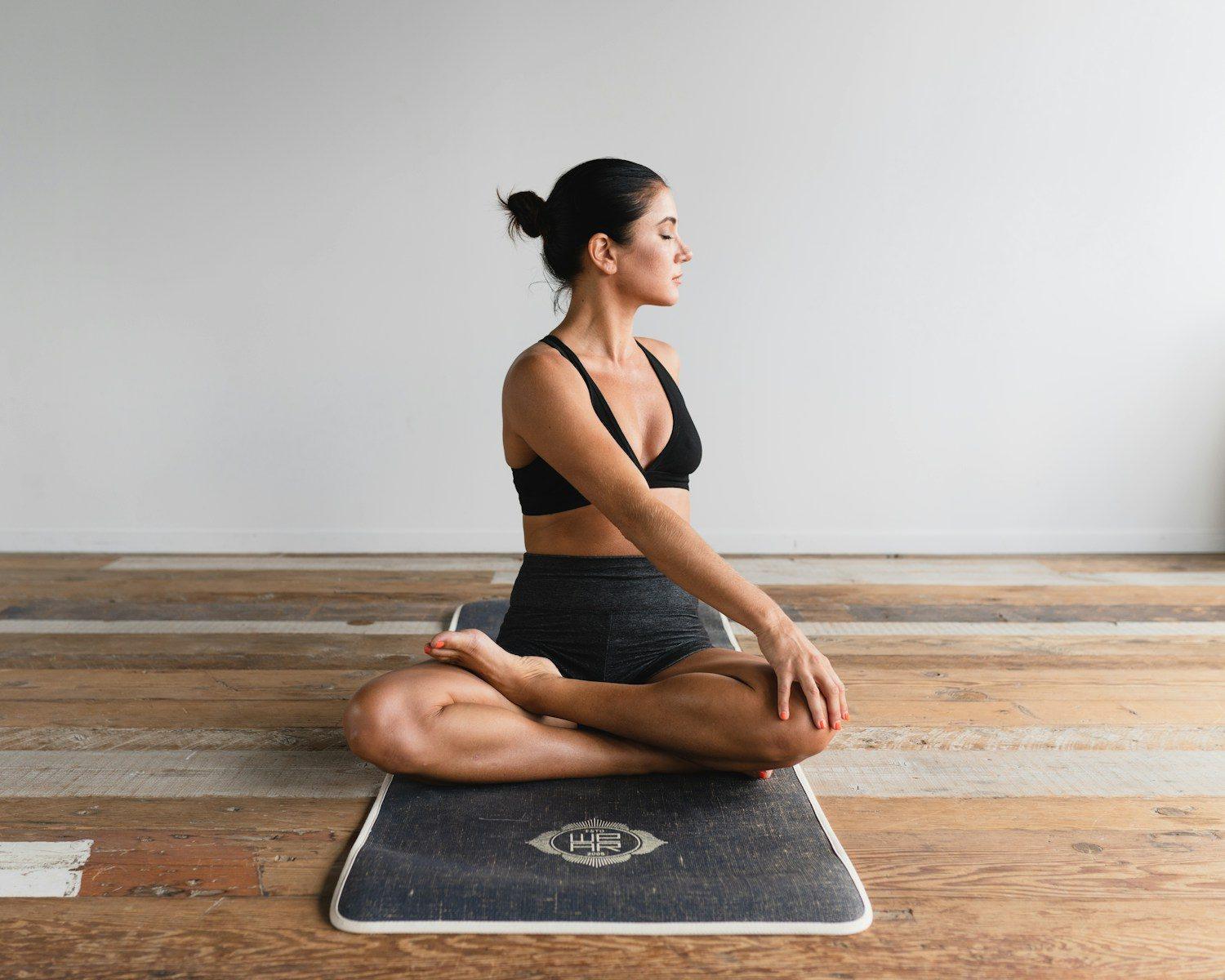
Yoga has an image problem for beginners. The images most commonly associated with it show people in advanced poses that require years of practice to achieve, performing feats of flexibility and balance that look more like gymnastics than anything most beginners could reasonably aspire to in their first months of practice. This visual representation of yoga as something for the already flexible, the already strong, and the already experienced is one of the most significant barriers preventing people who would genuinely benefit from the practice from starting it.
The reality of yoga for beginners is considerably more accessible, more forgiving, and more immediately useful than its public image suggests. Beginner yoga does not require flexibility. It does not require strength, youth, a particular body type, or prior experience with any form of movement practice. It requires only a mat, enough floor space to lie down, and the willingness to show up consistently for a practice that meets you exactly where you are and improves from there.
What yoga offers beginners is a rare combination of benefits that most single exercise modalities do not provide simultaneously. It builds strength and flexibility at the same time. It trains balance and body awareness. It develops breathing habits that reduce stress and improve physiological function. It teaches the skill of focused present-moment attention that mindfulness practice develops through sitting. And it provides these benefits through a practice that is gentle enough to begin without significant physical preparation and challenging enough to continue developing through for years without hitting a ceiling.
What Yoga Actually Is
Yoga is a practice that originated in ancient India and has been developed across thousands of years into many distinct traditions and styles. What most Western beginners encounter is Hatha yoga, a broad category of physical yoga practice that encompasses the poses, breathing techniques, and relaxation practices that form the foundation of most studio and online yoga classes.
Within Hatha yoga, several styles are particularly appropriate for beginners. Hatha classes specifically labeled as such tend to be slower-paced with longer holds and more instruction, making them ideal for learning alignment and building familiarity with poses. Yin yoga involves holding poses for extended periods of three to five minutes in a deeply relaxed, passive way that develops connective tissue flexibility and is accessible to virtually any body. Restorative yoga uses props to support the body in completely passive positions and is as much a relaxation practice as a movement one. Vinyasa yoga links movement to breath in flowing sequences that are more dynamic and may be more challenging for absolute beginners but offer excellent options at the beginner level when the class is labeled as such.
What all yoga styles share is an emphasis on the connection between breath and movement, the development of body awareness, and the cultivation of a quality of attention to present experience that distinguishes yoga from purely mechanical exercise.
What to Expect in Your First Sessions
The first sessions of yoga are primarily about orientation rather than achievement. Learning the names of poses, understanding the alignment cues that instructors provide, discovering which poses feel accessible and which feel challenging for your particular body, and beginning to develop the breath awareness that makes yoga yoga rather than simply stretching. Progress in these early sessions is measured in familiarity rather than performance.
Physical sensations during early yoga practice include the unfamiliar stretch of muscles and connective tissue that have not been regularly lengthened, the mild shakiness of muscles working to maintain positions they are not yet accustomed to, and the mental effort of following instructions while also attending to how the body feels in each position. All of these are entirely normal and resolve with consistent practice as the body adapts and the movements become more familiar.
What beginners should not expect or seek in early sessions is the performance of poses at a depth or intensity beyond what is currently comfortable. Yoga injuries, which do occur, are almost entirely the result of pushing past appropriate limits rather than of the practice itself. The instruction to work at your edge, the point where sensation is present but not painful, describes a genuine practice principle rather than an aesthetic suggestion. Pain during yoga poses is a signal to ease back, modify the pose, or skip it entirely and ask about alternatives.
The Foundational Poses Worth Learning First
Every yoga practice is built on a relatively small number of foundational poses that appear across virtually every class and style. Learning these well in the early weeks of practice provides a framework that makes any subsequent class more accessible and more productive.
Mountain pose. Standing with feet hip-width apart, weight distributed evenly across all four corners of each foot, legs engaged without locking the knees, pelvis in neutral, spine long, shoulders relaxed, and arms at the sides with palms facing forward. Mountain pose looks like simply standing but teaches the alignment principles that translate into every standing pose. It is the starting point from which most standing sequences begin and return.
Child’s pose. From kneeling with the big toes touching, sit the hips back toward the heels and extend the arms forward along the floor with the forehead resting on the mat. Child’s pose is simultaneously a hip and lower back stretch and a rest position that can be taken at any point during a class when more challenging poses require recovery. Knowing that child’s pose is always available makes the entire practice feel more navigable.
Downward-facing dog. From all fours, tuck the toes and press the hips up and back, creating an inverted V shape with the body. Heels reach toward but do not need to touch the floor. Arms press firmly into the mat, shoulders draw away from the ears, spine lengthens. Downward dog is the most universally present pose in yoga and serves simultaneously as a strength builder for the arms, shoulders, and core, a stretch for the hamstrings, calves, and spine, and a mild inversion that brings the head below the heart.
Warrior one. From standing, step one foot back into a wide stance. The front knee bends to approximately ninety degrees directly over the front ankle. The back foot plants at roughly forty-five degrees. The hips face forward as much as possible. The arms rise overhead alongside the ears. Warrior one builds hip flexor flexibility, quadriceps and glute strength, and the stability to maintain a strong lower body position while the upper body is active.
Warrior two. From a wide stance, the front knee bends over the front ankle while the back leg remains straight. Both hips open to face the side rather than forward. The arms extend wide at shoulder height in opposite directions, gaze over the front hand. Warrior two builds lateral hip strength, develops the endurance to hold a strong position, and opens the inner thighs and hips in a different direction than warrior one.
Tree pose. Standing on one leg, place the sole of the opposite foot on the inner calf or inner thigh, avoiding pressure directly on the knee joint. Hands can rest on the hips, press together at the chest, or extend overhead. Tree pose builds single-leg balance, ankle and knee stability, and the focused attention that balance requires. It is also the pose most useful for developing proprioceptive awareness of the standing leg.
Seated forward fold. Sitting with legs extended, hinge forward from the hips rather than rounding from the lower back, reaching toward the feet. The hands can hold the shins, ankles, or feet depending on current hamstring flexibility. The spine lengthens rather than rounds, and the pose is held with slow breathing rather than forced deeper with each exhale. This is among the most important distinctions in beginner yoga practice. Forcing flexibility produces injury. Patient, breath-supported holding over weeks and months produces genuine lasting change.
Supine twist. Lying on your back, draw one knee toward the chest and then across the body to the opposite side, extending the same-side arm out and looking in the opposite direction. This gentle spinal rotation releases the muscles alongside the lumbar spine, stretches the outer hip and glute, and provides the rotational movement that most daily activities do not include.
Corpse pose. Lying flat on the back with arms and legs slightly apart and palms facing up, with no muscular effort required to maintain the position. Corpse pose, practiced at the end of every yoga class, provides the integration period during which the nervous system absorbs the effects of the practice. It is harder than it looks for most beginners because lying still with no task to perform is a genuinely unusual state for a mind accustomed to constant stimulation.
Breathing as Practice
One of the most immediately useful skills yoga develops for daily life is deliberate breathing, and it is worth paying specific attention to from the first session rather than treating it as background to the physical poses.
The most foundational breathing technique in yoga is ujjayi breath, sometimes described as ocean breath because of the gentle sound it produces. It involves a slight constriction at the back of the throat during both inhale and exhale that slows the breath, makes it audible, and creates a feedback mechanism for whether the breath is genuinely slow and controlled or rushing and shallow.
Linking movement to breath, which is the defining characteristic of vinyasa style yoga, develops a conscious relationship between physical effort and respiratory rhythm that transfers directly into stress management in daily life. The same slow, controlled breath that makes a challenging yoga pose more manageable makes a stressful moment in daily life more navigable through the same physiological mechanism.
Building daily stress relief practices alongside yoga reinforces the same parasympathetic nervous system skills that yoga develops, creating complementary habits that strengthen each other across consistent daily use.
Starting at Home Versus in a Studio
Both options have genuine advantages and the choice depends more on personal learning style and practical circumstances than on any universal recommendation.
Studio classes provide real-time instruction and hands-on adjustments from a teacher that online or home practice cannot replicate. A teacher can see alignment problems that are invisible to the person experiencing them and correct them before they become habitual or injury-producing. The social environment of a class provides motivation and accountability that solo home practice sometimes lacks. And the structured schedule of a class removes the decision-making about when and for how long to practice.
Home practice offers scheduling flexibility, privacy for people who feel self-conscious about their early practice, and the convenience of practicing without travel. High-quality online yoga instruction is widely available through platforms including YouTube, where channels specifically designed for beginners provide structured programs that guide progression in the same way a class sequence would. The absence of real-time feedback on alignment is the primary limitation of home practice and worth compensating for by practicing in front of a mirror initially and seeking occasional in-person instruction to check that foundational alignment habits have been established correctly.
Beginning with two to three sessions per week of twenty to thirty minutes produces meaningful physical and mental benefits within the first month and is achievable enough to establish the consistency that yoga’s benefits depend on without requiring the time commitment that more frequent practice would involve.
What Changes With Consistent Practice
The changes that yoga produces with consistent practice across weeks and months are cumulative and often gradual enough that they are noticed most clearly in retrospect. Flexibility that was absent at the start of practice arrives without being specifically pursued, as a byproduct of the regular lengthening of tissues that the practice provides. Strength in the supporting muscles of the hips, shoulders, and core builds through the repeated effort of holding positions that require their engagement. Balance improves as the proprioceptive system is repeatedly challenged and adapts.
Less visibly but equally genuinely, the breathing habits developed in practice transfer into daily life in ways that affect stress response and emotional regulation. The body awareness that yoga cultivates makes physical sensations of tension, fatigue, and discomfort more noticeable earlier and therefore more addressable before they become significant. The focused attention that pose practice requires develops a quality of present-moment awareness that spills over into non-yoga contexts in ways that most practitioners eventually identify as one of the most valuable and least expected outcomes of consistent practice.
Yoga is one of those practices that delivers more than it promises in the short term and considerably more than most beginners expect in the long term. The entry cost is low. The ceiling on what the practice offers is effectively absent. Starting where you are, with what you have, in whatever time is available, is the only requirement.