
Latest Posts
- How GLP-1 Medications Help People Build Healthier Long-Term Eating Habits

- Why Doctors Are Increasingly Recommending GLP-1 Medications for Type 2 Diabetes

- The Biggest Myths About Placebo Groups in Clinical Trials

- How to Protect Your Joints So They Last a Lifetime

- The Connection Between Physical Health and Mental Wellbeing

Categories
Archive
Aging well has less to do with luck than most people assume. The choices you make at the table, consistently, over months and years, have a measurable effect on how your body holds up as the decades pass. After 50, the stakes feel a little more real. Bone density starts to matter more. Muscle mass becomes harder to maintain without intention. Heart health, brain function, cognitive sharpness, and joint comfort all become part of the conversation in ways they were not at 30.
The good news is that food is one of the most powerful tools available for all of it. Not in a dramatic, cure-everything way, but in the steady, compounding way that genuinely changes outcomes over time. The ten foods below are not trends or fads. They are among the most consistently supported choices in nutrition research for people who want to age well and feel good doing it.
Why Food Matters More After 50
The body after 50 is not broken. It is changing, and those changes create specific needs that a younger body did not have to the same degree. Nutrient absorption becomes less efficient, which means getting enough of the right vitamins and minerals requires more attention. Inflammation tends to run higher, which affects joints, heart health, and cognitive function. Muscle loss accelerates if protein intake does not keep pace. Bone density declines, particularly in women after menopause.
Food does not fix all of this on its own, but it has a meaningful influence on every single one of these areas. The ten foods below address those specific needs directly.
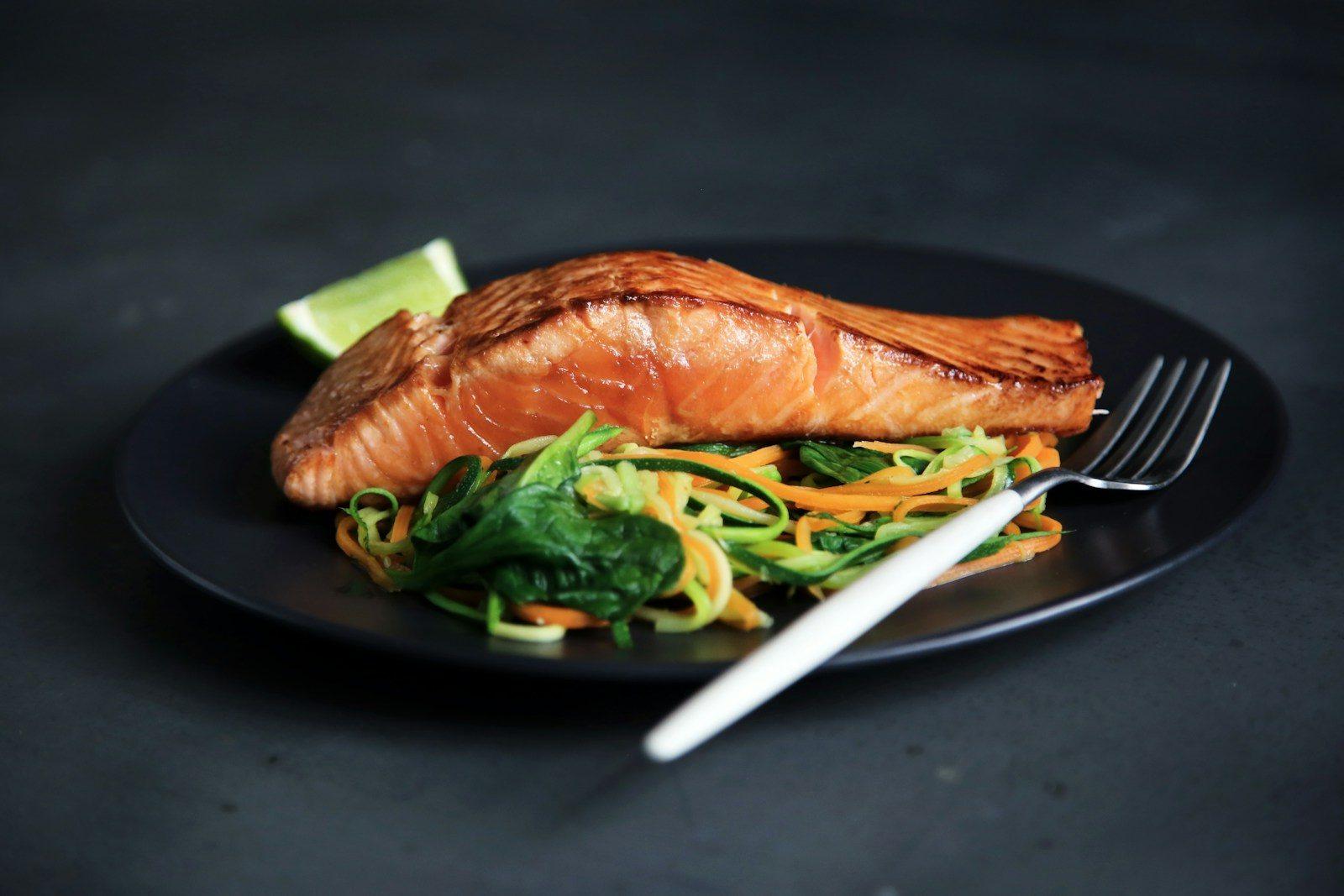
Salmon
Fatty fish deserves the top spot because it addresses several aging-related concerns at once. It is high in omega-3 fatty acids, which reduce inflammation, support heart health, and have strong links to better cognitive function as you age. It is a complete protein source, which supports muscle maintenance. It is one of the few natural food sources of vitamin D, a nutrient that becomes harder to absorb through the skin as you get older and is critical for bone health. Two to three servings per week is a reasonable and achievable target for most people.
Leafy Greens
Spinach, kale, Swiss chard, and collard greens are among the most nutrient-dense foods available anywhere in the produce aisle. They bring vitamin K, which is essential for bone health and blood clotting. They bring folate, magnesium, calcium, and a range of antioxidants that reduce oxidative stress in the body. Oxidative stress is one of the key drivers of cellular aging, and leafy greens are one of the most reliable ways to push back against it. A serving at lunch and another at dinner covers significant ground without much effort.
Blueberries
Few foods have as much research behind them for brain health specifically as blueberries do. The compounds that give them their deep blue color, called anthocyanins, have been linked in multiple studies to improvements in memory, processing speed, and protection against cognitive decline. They are high in antioxidants, low in sugar compared to many other fruits, and easy to add to almost anything. Frozen blueberries are just as nutritious as fresh ones and tend to be more affordable year-round, which makes consistency easier.
Eggs
Eggs are one of the most complete and affordable sources of nutrition available, and they deserve more credit than they sometimes get. They are high in protein, which is critical for maintaining muscle mass after 50. They contain choline, a nutrient that plays a direct role in brain health and memory that most people do not get enough of. The yolk specifically brings vitamin D, vitamin B12, and lutein, which supports eye health as you age. Whole eggs, not just whites, are where the bulk of the nutritional value lives.
Greek Yogurt
Bone health and gut health are two of the most important concerns after 50, and Greek yogurt addresses both at once. It is high in calcium and phosphorus, both of which the body uses to maintain bone density. It is rich in protein, with roughly twice the protein content of regular yogurt. It contains live cultures that support a healthy gut microbiome, and gut health has increasingly strong links to immune function, mood, and inflammation levels. Plain Greek yogurt with no added sugar is the version worth choosing.
Sweet Potatoes
Sweet potatoes are one of the most nutrient-dense carbohydrate sources available. They are high in beta-carotene, which the body converts to vitamin A and uses for eye health, immune function, and skin integrity. They bring potassium, which supports healthy blood pressure, and fiber, which feeds beneficial gut bacteria and supports steady blood sugar levels. They are also genuinely satisfying and versatile enough to work in a wide range of meals without becoming repetitive.
Walnuts
Among all the nuts available, walnuts stand out specifically for brain and heart health. They are the highest plant-based source of omega-3 fatty acids, which reduces inflammation and supports cognitive function. Research on walnuts and aging has found associations with better memory performance and lower markers of cardiovascular risk. A small handful per day, around 28 grams, is enough to bring meaningful benefit without adding excessive calories. They work well as a snack, added to oatmeal, or tossed into a salad.
Beans and Lentils
Legumes are among the most underrated foods for healthy aging. They are high in fiber, which supports digestive health, stabilizes blood sugar, and feeds the gut bacteria that influence inflammation and immunity. They are rich in plant-based protein, which helps maintain muscle mass. They bring iron, magnesium, potassium, and folate in meaningful amounts. Research into the diets of populations with the longest healthy lifespans consistently shows high legume consumption as a shared trait. Beans and lentils are inexpensive, filling, and adaptable to almost any cuisine.
Olive Oil
Extra virgin olive oil is one of the most studied foods in the context of healthy aging, largely because of its central role in the Mediterranean diet, which has decades of research supporting its benefits for heart health, brain health, and longevity. It is high in monounsaturated fats, which support healthy cholesterol levels. It contains a compound called oleocanthal that has natural anti-inflammatory properties. Using it as the primary fat in cooking, drizzled over vegetables or used as a base for dressings, is one of the simplest and most effective dietary upgrades available.
Oats
Oats bring a specific type of fiber called beta-glucan that has one of the strongest evidence bases of any dietary component for reducing LDL cholesterol levels. After 50, cardiovascular health becomes a priority for most people, and oats address it directly and affordably. They are also a slow-digesting carbohydrate, which means they support stable blood sugar and sustained energy rather than a quick spike and crash. Whole rolled oats or steel-cut oats are the versions worth choosing over instant varieties, which often have added sugar and less fiber.
Putting It All Together
None of these foods need to appear on your plate every single day to make a difference. The goal is frequency and variety over time. Salmon twice a week, blueberries most mornings, a handful of walnuts as an afternoon snack, beans in dinner a few times a week. These are not dramatic changes. They are the kind of consistent, small choices that stack up quietly and show up in how you feel, how you move, and how clearly you think as the years go on.
The foods that support healthy aging are not separate from the broader habits that make a long life worth living. Understanding the longevity daily habits that sit alongside smart nutrition gives you the full picture of what it actually takes to feel your best well into your later decades.