
Latest Posts
- How GLP-1 Medications Help People Build Healthier Long-Term Eating Habits

- Why Doctors Are Increasingly Recommending GLP-1 Medications for Type 2 Diabetes

- The Biggest Myths About Placebo Groups in Clinical Trials

- How to Protect Your Joints So They Last a Lifetime

- The Connection Between Physical Health and Mental Wellbeing

Categories
Archive
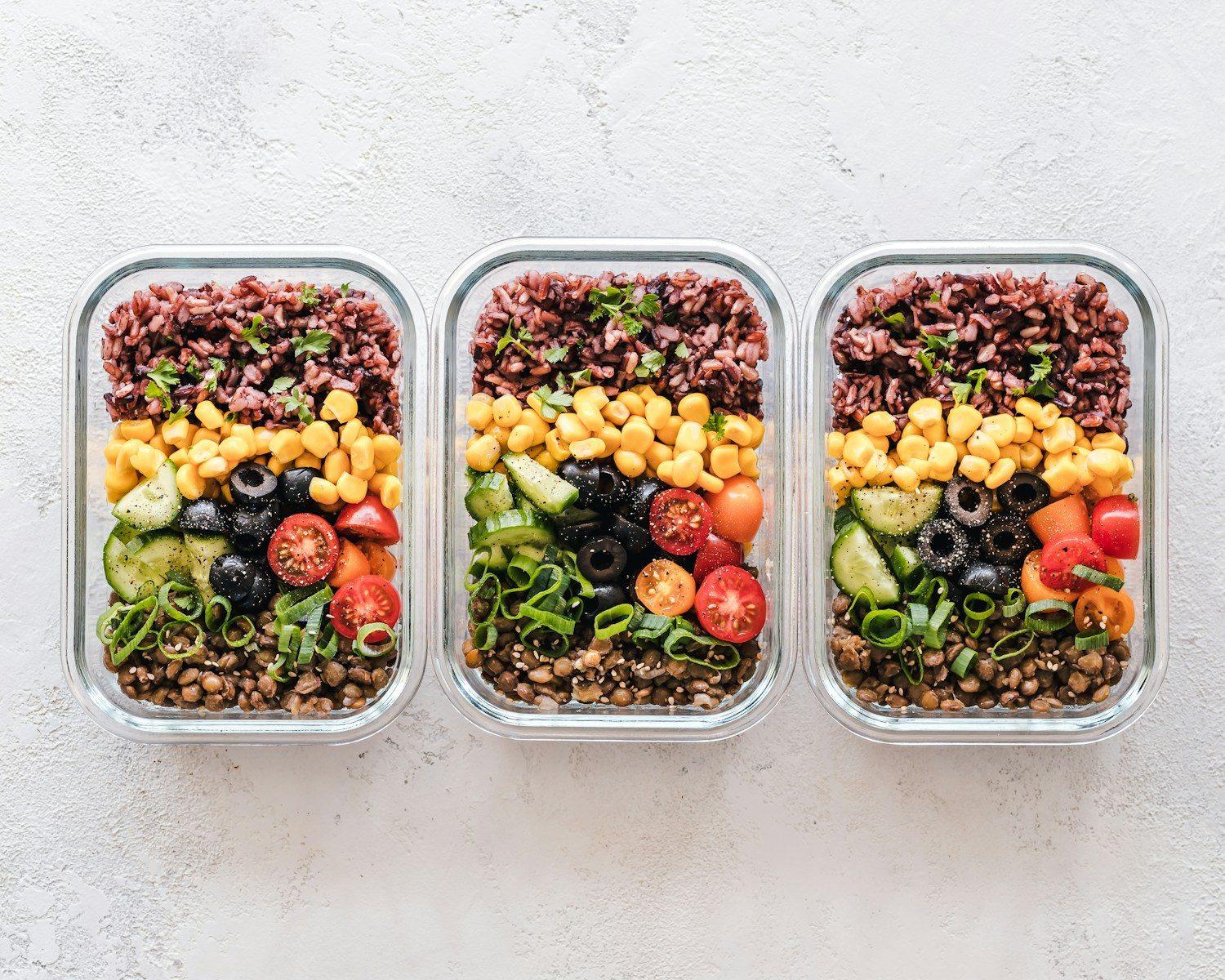
Tuesday night at 7pm is where healthy eating intentions go to die. You are tired from work. The kitchen is the last place you want to be. There is nothing ready to cook and everything takes too long, so you order something or throw together whatever requires the least effort, which is rarely the most nutritious option available. It is not a willpower problem. It is a preparation problem, and meal prep is the most direct solution to it.
Meal prep does not mean spending an entire Sunday cooking twelve identical containers of brown rice and steamed broccoli. That version exists and works for some people, but it is not the only version. The habits that actually stick are the ones that fit into real life, reduce friction at the moments when you are most likely to make a poor choice, and give you options rather than obligations. Done well, meal prep saves significant time across the week, reduces food waste, lowers the cost of eating well, and makes the gap between knowing what to eat and actually eating it much smaller.
Start With a Plan, Not a Recipe
The most common reason meal prep falls apart in the first week is starting with too much complexity. People find elaborate recipes, buy fifteen ingredients, spend four hours cooking, and burn out before the following weekend. The habit never forms because the entry cost was too high.
A more sustainable starting point is planning before you shop. Before anything goes into a cart, decide what the week actually needs. How many dinners do you need to cover? Which lunches are most likely to fall apart without something ready to grab? What breakfasts take more time than you have on a weekday morning? Answering those three questions gives you a realistic picture of where preparation will have the most impact, and it keeps the scope manageable.
A weekly plan does not need to be rigid. It is a rough guide that prevents the Tuesday night problem. Knowing that you have a container of cooked grains, some roasted vegetables, and a protein ready in the fridge means you can assemble a meal in ten minutes rather than deciding from scratch when you are already hungry and tired.
The Core Habits That Make the Biggest Difference
Not all meal prep activities are equal in terms of return on time invested. These are the ones that consistently deliver the most value across a week.
Cook a batch of grains. Rice, quinoa, farro, and oats all take roughly the same effort to cook in a large batch as they do in a small one. A pot of cooked grains in the fridge handles multiple meals across the week. It works as a base for a grain bowl, a side dish, a breakfast with fruit and yogurt stirred through, or a quick addition to a soup or salad. Cook once and use it four or five different ways.
Roast a tray of vegetables. Roasting concentrates flavor and makes vegetables genuinely appealing rather than an afterthought. A sheet pan of mixed vegetables, whatever needs using up, takes about 25 minutes in the oven and virtually no active time. Roasted vegetables hold well in the fridge for four to five days and work in wraps, alongside proteins, stirred into eggs, or eaten cold in a salad.
Prep a versatile protein. Cooking a large batch of chicken, hard-boiling a dozen eggs, or preparing a big pot of lentils gives you a protein that adapts across multiple meals without repetition feeling obvious. Shredded chicken works in tacos, salads, soups, and grain bowls. Hard-boiled eggs are a complete snack or breakfast on their own. Lentils work in almost any direction you take them.
Wash and portion produce. This one step, which takes about fifteen minutes, dramatically increases how much fruit and vegetables actually get eaten during the week. Washed and cut vegetables at eye level in the fridge get eaten. Unwashed vegetables in a crisper drawer that require effort before they are edible often do not. The same applies to fruit. Portioning snacks into small containers or bags removes the decision and the friction at the moment when a quick, less nutritious option is most tempting.
Make a sauce or dressing. A homemade dressing or simple sauce transforms the same basic ingredients into something that feels different each day. A tahini dressing, a simple vinaigrette, a yogurt-based sauce, or a batch of tomato sauce elevates roasted vegetables, grains, and proteins from boring to genuinely satisfying. It takes ten minutes and makes a week’s worth of meals feel more varied.
Keeping It Realistic Week to Week
Meal prep works best when it scales to the week ahead rather than following a fixed routine regardless of what life looks like. A quieter week might allow for more elaborate preparation. A packed week might mean doing the bare minimum, just the grains and the protein, and letting everything else be flexible. The habit is not about perfection. It is about always having something ready so that the worst-case scenario is still a decent meal.
Storage matters more than most people realize when starting out. Glass containers keep food fresher longer and make it easy to see what is available at a glance. Labeling containers with the date is a small habit that prevents waste and removes the guessing about what is still good. Keeping the most perishable items at the front of the fridge and the longer-lasting ones toward the back is a simple system that reduces the chance of something getting forgotten and going off.
Freezing is underused in most meal prep routines. Soups, stews, cooked grains, and sauces all freeze well and can be pulled out on a week when preparation time does not exist. Building a small freezer stock over time means there is always a backup that requires nothing more than reheating.
The Health Payoff Goes Beyond Convenience
The connection between meal prep and actual health outcomes is more direct than it might seem. Research consistently shows that people who prepare food at home eat more vegetables, more fiber, more whole foods, and fewer calories from processed sources than people who rely primarily on eating out or convenience food. The act of preparing food gives you control over ingredients, portion sizes, and cooking methods in a way that no restaurant or packaged product can replicate.
There is a psychological benefit too. Knowing that you have good food ready removes a low-grade daily stress that most people do not consciously notice until it is gone. Decision fatigue around food is real, and having fewer decisions to make at the moments when you are most depleted makes it easier to stick with choices that serve your health rather than just your immediate convenience.
Meal prep and physical activity reinforce each other in ways that matter. Having energy-sustaining food ready throughout the day means your body has the fuel it needs to move well, recover properly, and show up consistently for exercise. Understanding your daily movement routine and pairing it with solid nutrition habits creates a foundation that neither one builds as effectively alone.
The Week You Actually Want
Meal prep is not about eating perfectly. It is about closing the gap between the week you intend to have and the week that actually happens. A few hours of preparation, spread across one or two sessions, replaces daily scrambling with daily ease. The food is there. The decisions are already made. Tuesday night at 7pm looks completely different when the fridge has something worth eating already waiting in it.