
Latest Posts
- How GLP-1 Medications Help People Build Healthier Long-Term Eating Habits

- Why Doctors Are Increasingly Recommending GLP-1 Medications for Type 2 Diabetes

- The Biggest Myths About Placebo Groups in Clinical Trials

- How to Protect Your Joints So They Last a Lifetime

- The Connection Between Physical Health and Mental Wellbeing

Categories
Archive
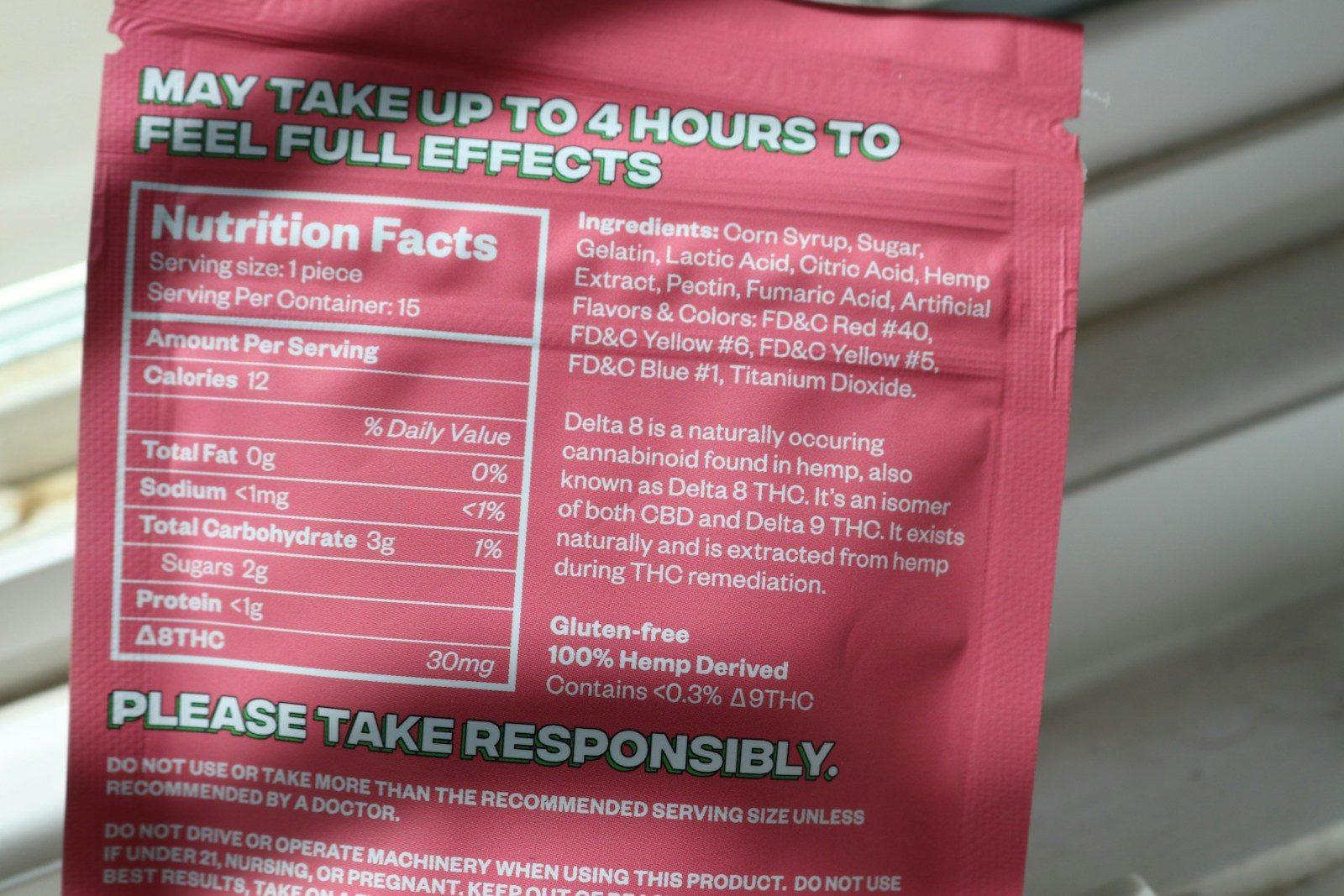
Nutrition labels have been on packaged food for decades, and yet most people give them a passing glance at best. You look at the calories, maybe check the fat, and move on. That is not a criticism. The label was not exactly designed with clarity in mind. It is dense, it uses units most people do not think about in daily life, and it is structured in a way that makes certain numbers look more important than they are while burying the information that actually matters most.
Learning to read a nutrition label properly is one of the most practical health skills available. It takes about ten minutes to understand and saves you from being misled by packaging claims for the rest of your life. The front of a food package is marketing. The nutrition label on the back is data. Once you know how to read the data, the marketing loses most of its power over your shopping cart.
Start With the Serving Size and Work From There
Everything on a nutrition label is based on a single serving, and the serving size listed is frequently smaller than what most people actually eat in one sitting. This is the first and most important thing to check before reading anything else on the label, because every number you see after it is only meaningful in relation to that serving size.
A bag of chips might list 150 calories per serving, but if the serving size is 28 grams and the bag contains three servings, eating the whole bag means consuming 450 calories from that product alone. A bottle of juice might look reasonable until you notice it contains two and a half servings, which means multiplying every number on the label by two and a half to get the actual nutritional content of what you are about to drink.
Serving sizes are set by manufacturers within certain regulatory guidelines, which means they are not always intuitive or reflective of real eating habits. A serving of breakfast cereal is often listed as three quarters of a cup, which is considerably less than what most people pour. Checking the serving size first gives you the frame through which all other numbers on the label become accurate.
What the Calorie Number Actually Tells You
Calories measure the amount of energy a food provides. They are a useful piece of information, but they are frequently overemphasized relative to everything else on the label. A food can be high in calories and genuinely nutritious, like avocado, nuts, and salmon. A food can be low in calories and nutritionally empty, like diet soda or rice cakes. Calories tell you about energy content. They do not tell you about nutritional quality.
That said, calorie awareness is useful context, particularly when comparing similar products. If two brands of yogurt have similar ingredients and nutrition profiles but meaningfully different calorie counts, that is worth knowing. The error is using calories as the primary or only measure of whether a food is good for you, which leads people toward low-calorie processed products and away from nutritionally dense whole foods.
The Nutrients to Pay Closest Attention To
The middle section of a nutrition label lists the nutrients that matter most for daily health decisions. Not all of them deserve equal attention.
Total fat, saturated fat, and trans fat appear together. Total fat on its own is not a useful metric because different types of fat have very different effects on health. Saturated fat is worth watching because consistently high intake is associated with elevated LDL cholesterol levels. Trans fat is the one to avoid most seriously. It raises bad cholesterol, lowers good cholesterol, and has no safe level of consumption. Any amount listed as trans fat on a label is worth taking seriously. Some products list zero grams of trans fat while still containing small amounts, which is legally permitted in many places when the amount falls below a certain threshold. Checking the ingredient list for partially hydrogenated oils confirms whether trans fat is present regardless of what the label states.
Sodium is one of the most commonly overlooked numbers on a nutrition label and one of the most worth checking. Processed and packaged foods are the primary source of excess sodium in most diets, and high sodium intake is directly linked to elevated blood pressure and cardiovascular risk. Many foods that do not taste salty still contain significant sodium used as a preservative or flavor enhancer. Soups, sauces, bread, deli meats, and condiments are among the most common sources. The daily recommended limit for most adults is around 2,300 milligrams, and a single serving of some packaged foods can account for a third to a half of that.
Total carbohydrates, dietary fiber, and total sugars appear together and are worth reading as a group rather than individually. Total carbohydrates include fiber, naturally occurring sugars, and added sugars. Dietary fiber is the component most worth prioritizing. High fiber content slows digestion, stabilizes blood sugar, supports gut health, and increases satiety. A food with 30 grams of carbohydrates and 8 grams of fiber is meaningfully different from one with 30 grams of carbohydrates and 1 gram of fiber.
Added sugars appear as a separate line beneath total sugars on updated nutrition labels. This distinction is important because naturally occurring sugars in whole foods behave differently in the body than added sugars do. The number to pay attention to for health purposes is the added sugars line, not the total sugars line. A plain yogurt with naturally occurring lactose will show total sugars but zero or minimal added sugars. A flavored yogurt might show similar total sugars but a high added sugar count, which tells a very different nutritional story.
Protein is listed in grams and is worth checking particularly at breakfast and snack foods, where protein content is often low in ways that affect satiety and energy across the morning. A food with meaningful protein content, generally ten grams or more per serving, contributes to the kind of sustained energy and fullness that carries you through to the next meal without a crash.
The Percent Daily Value Column
Running down the right side of the nutrition label is a column showing percent daily value, abbreviated as percent DV. These percentages are based on a standard 2,000 calorie daily diet, which may or may not match your actual needs, but they provide a useful quick reference for whether a food is high or low in a given nutrient.
A general rule of thumb is that five percent DV or less is considered low for a nutrient and twenty percent DV or more is considered high. For nutrients you want more of, like fiber, vitamin D, calcium, iron, and potassium, higher percent DV values are favorable. For nutrients you want less of, like saturated fat, sodium, and added sugar, lower percent DV values are favorable. Using this framework turns the percent DV column into a fast scanning tool that does not require memorizing specific gram targets.
The Ingredient List Is Where the Real Story Lives
The nutrition label tells you what is in the food in numbers. The ingredient list tells you what is actually in the food in words, and it is frequently more revealing than any number on the label above it. Ingredients are listed in descending order by weight, which means the first few ingredients make up the largest portion of the product.
A bread that lists whole wheat flour as its first ingredient is meaningfully different from one that lists enriched wheat flour first with whole wheat flour appearing fifth or sixth. A yogurt that lists milk and live cultures as its only ingredients is a different product from one where sugar appears second and modified starch appears fourth.
Short ingredient lists with recognizable whole food ingredients are generally a reliable signal of a less processed product. Long ingredient lists with multiple additives, preservatives, emulsifiers, and forms of sugar are a reliable signal of heavy processing, regardless of what the front of the package says about being natural, wholesome, or nutritious.
Eating well on any budget becomes significantly more achievable once you can read a label accurately, because you stop paying a premium for health claims on the front of packaging and start making decisions based on what the product actually contains. Understanding budget healthy eating alongside label reading gives you the full toolkit for making smart choices without spending more than you need to.
A Skill That Pays Off Every Single Day
Reading a nutrition label is not complicated once you know what to look for. Check the serving size first. Look at fiber and protein as markers of nutritional quality. Check added sugars and sodium as markers of what to moderate. Scan the ingredient list for whole food ingredients and short, recognizable content. Use the percent daily value column as a quick reference rather than an exact science.
The goal is not to analyze every label of every product you ever buy. It is to build enough familiarity with what you are looking at that the important signals stand out quickly and the marketing on the front of the package stops doing most of your decision-making for you. That shift, from passive consumer to informed reader, is one of the simplest and most lasting upgrades you can make to the way you eat.