Latest Posts
- How GLP-1 Medications Help People Build Healthier Long-Term Eating Habits

- Why Doctors Are Increasingly Recommending GLP-1 Medications for Type 2 Diabetes

- The Biggest Myths About Placebo Groups in Clinical Trials

- How to Protect Your Joints So They Last a Lifetime

- The Connection Between Physical Health and Mental Wellbeing

Categories
Archive
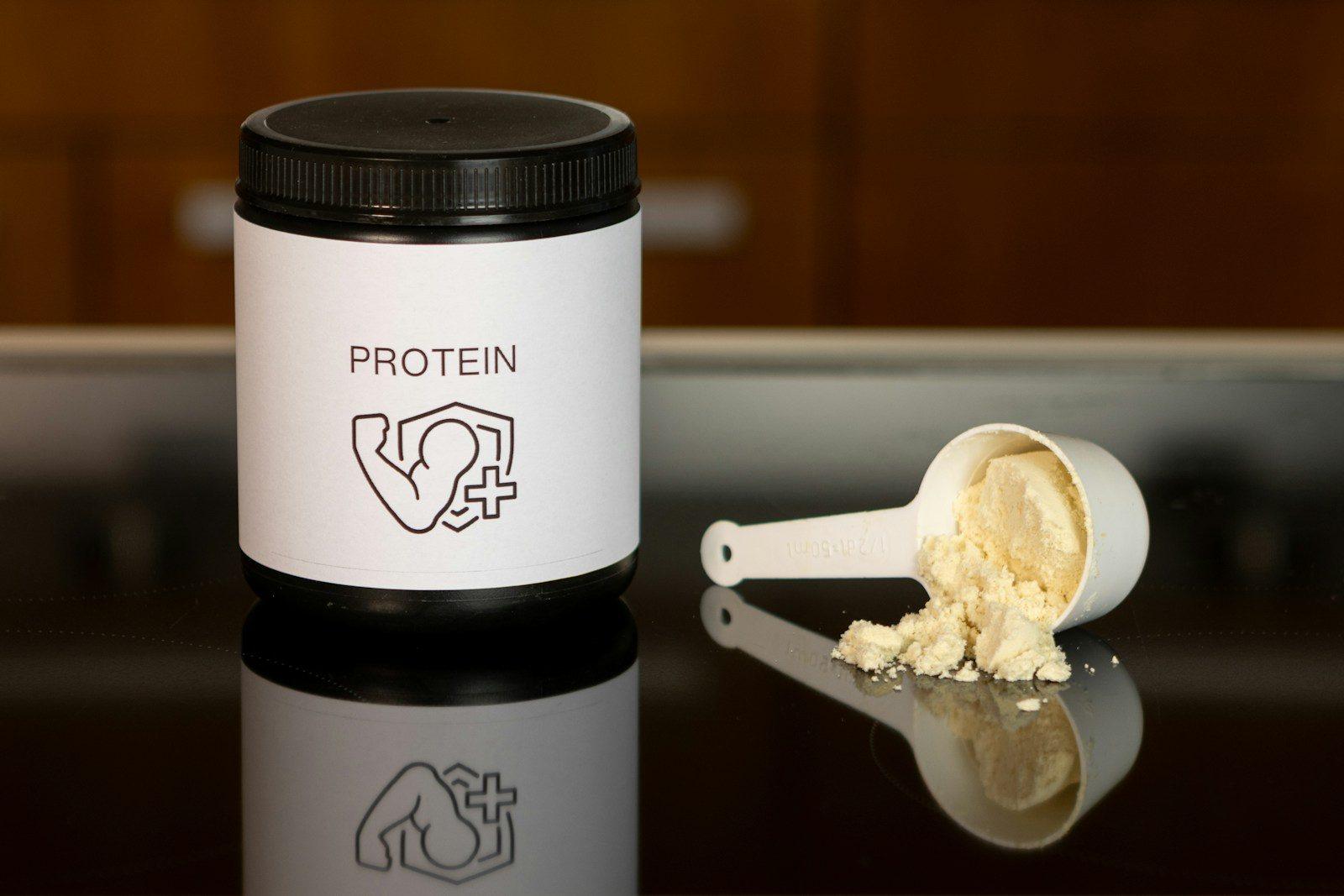
Ask ten people how much protein they need and you will get ten different answers. Some will quote a number they read on a fitness blog. Some will point to the serving size on a protein powder label. Some will shrug and say they try to eat chicken most days. Protein is one of the most talked about nutrients in health and wellness circles, and somehow also one of the most misunderstood when it comes to what the average person actually needs on an average day.
The answer is not one-size-fits-all. It depends on your age, your activity level, your body composition, and what you are asking your body to do. What is clear from decades of research is that most people, especially those over 40, are getting less protein than they actually need to feel and function their best.
What Protein Actually Does in Your Body
Before getting into numbers, it helps to understand what protein is responsible for. It is not just a muscle-building nutrient for people who lift weights. Protein is involved in nearly every function your body performs. It builds and repairs tissue. It makes enzymes and hormones. It supports immune function, transports nutrients through the blood, and maintains the structural integrity of skin, hair, and nails.
Every cell in your body contains protein. When you do not get enough of it, your body starts pulling from its own stores, which means breaking down muscle tissue to meet its needs. Over time, that creates a gradual loss of muscle mass that affects strength, metabolism, and physical independence. After 40, this process accelerates naturally, which makes adequate protein intake not just helpful but genuinely important for maintaining the quality of life most people want to hold onto.
The Standard Recommendation and Why It Falls Short
The widely referenced dietary guideline for protein is 0.8 grams per kilogram of body weight per day. For a 70-kilogram person, that works out to about 56 grams of protein daily. That number is enough to prevent deficiency in a sedentary adult. It is not enough to support muscle maintenance, healthy aging, or an active lifestyle in most people over 40.
A growing body of research suggests that the optimal range for adults who want to maintain muscle, support recovery, and age well sits closer to 1.2 to 1.6 grams per kilogram of body weight per day. For that same 70-kilogram person, that is between 84 and 112 grams daily. For people who are actively exercising, particularly those doing resistance training, the upper end of that range or slightly above it is where the research tends to point.
The distinction matters because there is a meaningful difference between not being deficient and actually thriving. The standard recommendation was designed to establish a floor, not a ceiling.
How Your Needs Change as You Age
One of the most important shifts that happens after 40 is a reduced sensitivity to dietary protein. Younger bodies are efficient at using protein to build and repair muscle. Older bodies need more of it to trigger the same response. This is called anabolic resistance, and it is one of the key reasons why protein recommendations for people over 50 trend higher than for younger adults.
Research on healthy aging consistently shows that higher protein intake is associated with better muscle preservation, stronger bones, faster recovery from illness or injury, and better overall physical function in older adults. Studies looking at people in their 60s, 70s, and beyond find that those eating more protein tend to maintain independence, mobility, and strength longer than those who do not prioritize it.
For women specifically, the years around menopause bring hormonal changes that accelerate muscle loss and affect bone density. Higher protein intake during this period has protective effects on both. For men, testosterone levels that gradually decline after 40 make it harder to build and hold muscle, which makes protein intake an even more important lever to pull.
Spreading Protein Across the Day
How you distribute protein across your meals matters almost as much as the total amount. The body has a limit to how much protein it uses for muscle protein synthesis in a single sitting, generally estimated at around 25 to 40 grams per meal depending on body size and age. Eating most of your daily protein in one large meal is less effective than spreading it relatively evenly across three meals.
A practical approach looks something like this. A protein-rich breakfast with eggs, Greek yogurt, or cottage cheese. A lunch built around a lean protein source like chicken, fish, or legumes. A dinner that does the same. Snacks that bring some protein along, like a handful of nuts, a boiled egg, or some cheese. This kind of rhythm keeps your body in a positive protein balance throughout the day, which supports muscle maintenance and recovery in a way that front or back-loading simply does not.
Breakfast is where most people fall short. A bowl of cereal or a piece of toast is unlikely to bring more than five or six grams of protein, which means the body starts the day already behind. Shifting breakfast toward eggs, Greek yogurt, or even leftovers from the previous night makes a noticeable difference in energy and satiety through the morning.
The Best Food Sources to Build Around
Getting protein from whole food sources is preferable to relying heavily on supplements, though supplements have their place for people who genuinely struggle to hit their targets through food alone. The best whole food protein sources combine high protein content with other nutrients your body needs.
Animal sources tend to be complete proteins, meaning they contain all nine essential amino acids the body cannot make on its own. These include eggs, chicken, turkey, beef, pork, fish, seafood, dairy products like Greek yogurt and cottage cheese, and cheese. Plant sources are equally valid but often incomplete on their own, which makes variety important. Legumes, tofu, tempeh, edamame, lentils, quinoa, and hemp seeds are among the strongest plant-based options.
Combining different plant sources across the day, beans and rice, hummus and whole grain bread, peanut butter and oats, covers the full amino acid profile without requiring any complicated planning.
Protein and Exercise After 40
If you are doing any form of resistance training or strength work, your protein needs sit at the higher end of the recommended range. Exercise creates small amounts of damage in muscle tissue that protein repairs and rebuilds, and that process is what leads to stronger, more resilient muscle over time. Without enough protein to support it, the adaptation your body makes to exercise is limited.
The relationship between protein and strength training over 40 is worth understanding in depth, because the two work together in ways that make each one more effective. Exercise makes protein more useful. Protein makes exercise more productive. Getting both right is one of the most reliable combinations available for maintaining strength, energy, and physical capacity as you move through your 40s and beyond.
A Practical Starting Point
If tracking grams of protein every day sounds like more effort than you want to put in, a simpler approach works well enough for most people. Aim to include a palm-sized portion of a quality protein source at every meal. Make sure breakfast has protein in it. Choose snacks that bring some protein rather than pure carbohydrates. Over time, this kind of consistent habit builds up to meaningful intake without requiring a spreadsheet.
Protein is not complicated. It is not just for athletes or bodybuilders. It is a foundational nutrient that your body uses every hour of every day, and after 40, it deserves more attention than most people give it.