
Latest Posts
- How GLP-1 Medications Help People Build Healthier Long-Term Eating Habits

- Why Doctors Are Increasingly Recommending GLP-1 Medications for Type 2 Diabetes

- The Biggest Myths About Placebo Groups in Clinical Trials

- How to Protect Your Joints So They Last a Lifetime

- The Connection Between Physical Health and Mental Wellbeing

Categories
Archive
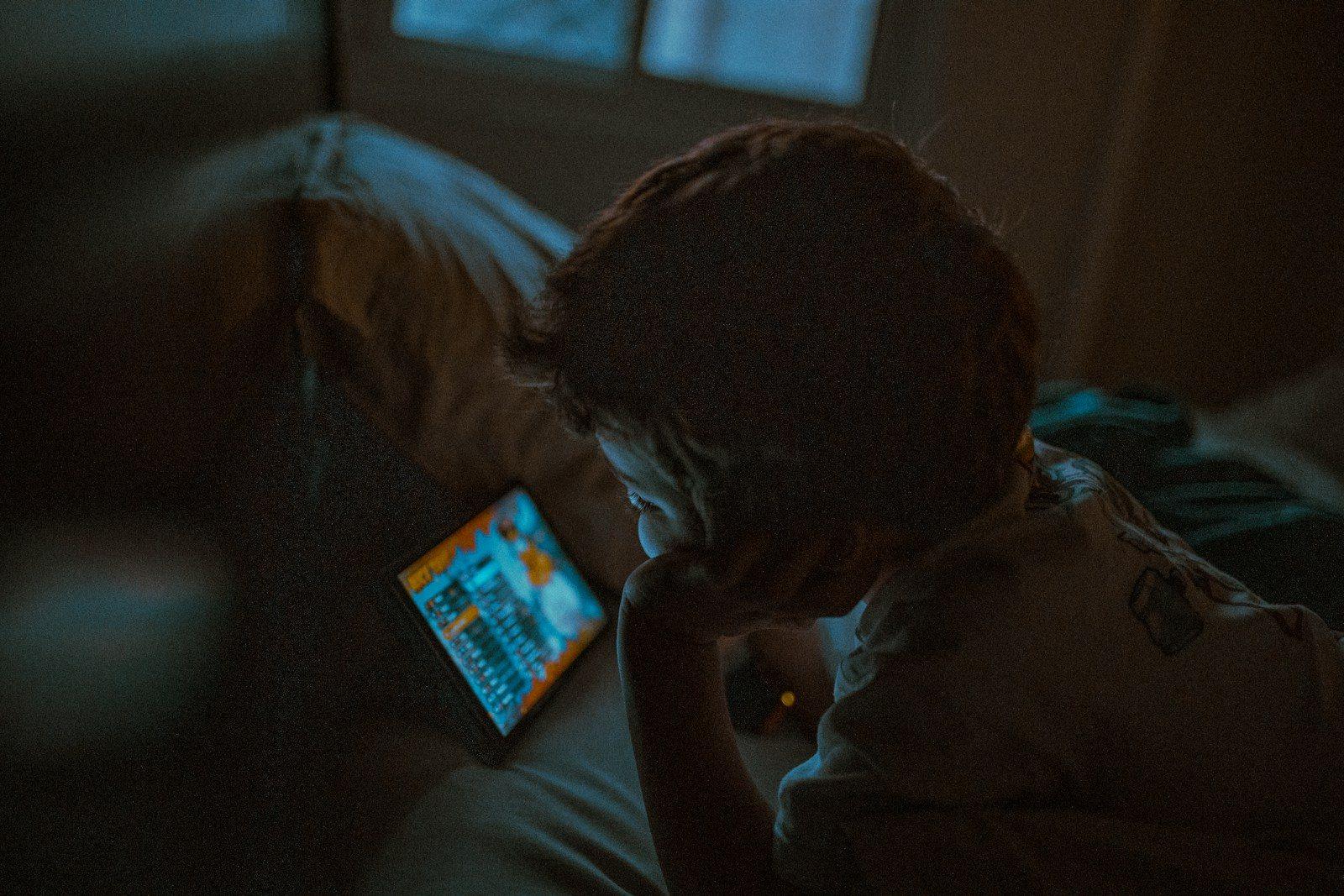
Most people know, in a general way, that looking at screens before bed is not ideal for sleep. The information has been circulating long enough that it has become the kind of advice that gets acknowledged and then quietly set aside, outweighed by the genuine appeal of scrolling through social media after a long day, finishing one more episode of something engaging, or catching up on messages that accumulated across the evening. The habit feels harmless enough in the moment, and the connection between the screen use tonight and how you feel tomorrow morning is diffuse enough that it rarely triggers the same immediate consequence that makes other unhealthy behaviors easier to change.
What is less widely understood is that the effects of consistent evening screen use extend considerably beyond feeling a little groggy the next morning. The biological mechanisms through which light from screens affects the body are not subtle, and their cumulative impact across months and years of nightly exposure touches sleep architecture, hormonal function, metabolic health, mental health, and cognitive performance in ways that most people would find significantly more concerning if they were presented as the consequences of a single identifiable cause rather than as the diffuse background noise of modern life.
What Screens Actually Do to Your Biology at Night
The primary mechanism through which evening screen use affects sleep is light. Specifically, the blue-spectrum light emitted by the LED displays of phones, tablets, computers, and televisions. Blue light, which sits at the shorter wavelength end of the visible spectrum, is the specific type of light that the photosensitive cells in the retina use to signal to the brain whether it is day or night.
These retinal cells, called intrinsically photosensitive retinal ganglion cells, project directly to the suprachiasmatic nucleus in the hypothalamus, the brain region that functions as the master clock of the circadian rhythm. When they detect blue light, they send a signal that suppresses the production of melatonin by the pineal gland. Melatonin is the hormone that prepares the body for sleep, lowering core body temperature, reducing alertness, and initiating the biological cascade that leads to sleep onset.
Natural light is strongly blue-spectrum in the daytime and shifts toward warmer, red-spectrum frequencies in the evening as the sun lowers. The human body evolved across hundreds of thousands of years to use this shift as the primary signal that sleep time is approaching. The blue light emitted by screens at night sends the opposite signal, telling the brain that it is still daytime and that melatonin production should be suppressed.
Research has quantified this effect with considerable precision. Evening exposure to the blue light of a typical smartphone screen suppresses melatonin production by up to 50 percent compared to the same evening spent in dim, warm-spectrum light. This suppression delays the onset of melatonin production by one to three hours, which shifts the body’s biological readiness for sleep back by a corresponding amount. Someone who looks at their phone until midnight and tries to sleep immediately afterward is attempting to sleep with a melatonin system that has been partially shut down and will not fully recover its output until the early hours of the morning.
The Sleep Architecture Consequences
Delayed melatonin is the most immediate effect of evening screen use, but the consequences for sleep architecture extend beyond simply taking longer to fall asleep. The timing of sleep relative to the circadian phase matters significantly for the distribution of sleep stages across the night. REM sleep, which is the stage most associated with emotional processing, memory consolidation, and cognitive restoration, is concentrated in the later cycles of the night and is strongly governed by circadian timing. When the circadian phase is shifted later by evening light exposure, the proportion of REM sleep within a fixed sleep window is reduced because the sleep begins earlier relative to the shifted circadian phase than it does in the absence of light suppression.
Deep slow-wave sleep, which is primarily homeostatic rather than circadian in its regulation, is less directly affected by circadian phase shift but is reduced indirectly when total sleep time is shortened by late sleep onset combined with a fixed wake time. The person who delays sleep onset by ninety minutes due to evening screen use but must wake at the same time the following morning loses ninety minutes of sleep that comes disproportionately from the later cycles, where REM sleep dominates.
The net result of consistent evening screen use for sleep architecture is less total sleep, reduced REM sleep within the total obtained, and a circadian system that is chronically misaligned with the behavioral schedule the person is trying to maintain. This misalignment produces daytime consequences including reduced alertness, impaired working memory, slower processing speed, and reduced emotional regulation capacity that most people attribute to being busy or stressed rather than to the specific biological mechanism causing them.
The Hormonal and Metabolic Effects
The hormonal consequences of chronically disrupted sleep and circadian misalignment extend significantly beyond melatonin. Growth hormone, which is released primarily during deep sleep in the first half of the night, supports tissue repair, immune function, and metabolic regulation. Chronically reduced deep sleep from evening screen use reduces growth hormone output over time in ways that affect body composition, recovery from physical activity, and immune capacity.
Cortisol, the primary stress hormone, is regulated by circadian timing in ways that evening light exposure disrupts. The normal cortisol pattern involves low levels in the evening and during sleep, with a sharp morning rise called the cortisol awakening response that prepares the body for the demands of the day. Circadian disruption from chronic evening light exposure flattens this pattern, resulting in higher cortisol in the evening and a blunted awakening response, a profile associated with increased inflammation, reduced stress resilience, and metabolic dysregulation.
The metabolic consequences of disrupted sleep and circadian misalignment are among the most well-documented downstream effects of evening screen exposure accumulated across time. Ghrelin, the appetite-stimulating hormone, rises with sleep deprivation. Leptin, the satiety-signaling hormone, falls. The combined effect is increased hunger, reduced satiety, and stronger cravings for high-calorie, high-sugar foods that are the predictable consequence of the hormonal environment that poor sleep produces. Research following populations across years has found strong associations between chronic sleep disruption and weight gain, insulin resistance, and elevated type 2 diabetes risk that are at least partially mediated by these hormonal changes.
The Mental Health Dimension
The mental health consequences of chronic evening screen use and the sleep disruption it produces are both direct and indirect. The direct effects involve the content of evening screen use as much as the light it emits. Social media use in the evening specifically has been associated in multiple large-scale studies with increased anxiety, depression symptoms, negative social comparison, and rumination that persists into the sleep period and fragments sleep through the intrusive thought activity it generates.
The stimulating and emotionally activating quality of much evening screen content, whether news, social media, dramatic television, or work communications, maintains the sympathetic nervous system in an activated state that is incompatible with the parasympathetic shift that sleep requires. The nervous system needs time and appropriate conditions to downregulate from daytime activation to the restful state that sleep needs. Evening screen content consistently works against this transition by providing a stream of stimulation that keeps alertness and emotional activation elevated into what should be the wind-down period.
The indirect mental health effects operate through the sleep disruption itself. The relationship between sleep quality and mental health is bidirectional and well-established. Poor sleep worsens anxiety and depression. Anxiety and depression worsen sleep. Evening screen use that consistently reduces sleep quality contributes to this cycle by introducing a reliable nightly disruption that prevents the quality of sleep that mental health depends on.
Research following adolescents and young adults across years has found associations between evening screen use and the development of depression and anxiety that persist after controlling for other variables, suggesting that the screen use itself rather than simply its correlation with other risk factors contributes independently to mental health outcomes over time.
The Cognitive and Long-Term Brain Health Implications
The cognitive consequences of chronic sleep deprivation from evening screen use accumulate in ways that most people adapt to without recognizing the adaptation as a sign of impairment. Research on chronic mild sleep restriction consistently finds that people significantly underestimate their own cognitive impairment because the gradual nature of the deficit makes it feel like the new normal rather than like the departure from baseline that it is.
Executive function, which includes planning, decision-making, impulse control, and the ability to manage competing demands, is among the cognitive capacities most sensitive to sleep quality. Chronically reduced sleep quality from evening screen exposure degrades executive function in ways that affect professional performance, relationship quality, financial decision-making, and health behaviors across the domains of daily life.
The long-term brain health implications are more speculative but increasingly supported by research on sleep and neurodegeneration. Sleep is when the glymphatic system, the brain’s waste clearance mechanism, operates most efficiently. During deep sleep, the brain’s interstitial space expands, allowing cerebrospinal fluid to flush through and clear metabolic waste including the amyloid-beta and tau proteins associated with Alzheimer’s disease. Chronically reduced deep sleep from any cause, including the circadian disruption and sleep architecture effects of evening screen use, reduces the efficiency of this clearance process over time in ways that may contribute to the accumulation of neurotoxic proteins across decades.
What Actually Helps
The most effective intervention for the effects of evening screen use on sleep and health is the simplest and the least popular. Stopping screen use sixty to ninety minutes before the intended sleep time removes the primary biological mechanism driving the downstream effects. This window allows melatonin production to resume, the nervous system to begin its parasympathetic shift, and the body to move toward the biological state that sleep requires.
For people for whom a complete screen-free wind-down period is genuinely impractical, several modifications reduce though do not eliminate the impact. Blue light filtering glasses that block a significant proportion of short-wavelength light reduce the melatonin suppression effect when worn during evening screen use. Night mode and blue light filter settings on devices shift the display toward warmer color temperatures in the evening. Reducing screen brightness significantly in the hours before bed reduces the photon exposure that drives the biological effects.
The content consumed during evening screen time matters alongside the light it produces. Choosing calming, low-stimulation content over emotionally activating news or social media reduces the sympathetic nervous system activation that works against sleep onset even when the light factor is partially managed.
Developing a consistent wind-down routine that replaces screen time with genuinely restorative activity, reading a physical book, gentle stretching, conversation, or a practice like mindfulness for beginners that directly trains the parasympathetic shift the evening period requires, addresses both the light exposure and the nervous system activation components simultaneously.
The Cumulative Picture
The effects of evening screen use on health are not the dramatic, immediately visible consequences that motivate rapid behavior change. They are cumulative, gradual, and distributed across multiple biological systems in ways that make them easy to adapt to without recognizing the adaptation as a problem. The groggy morning feels normal. The afternoon cognitive dip feels inevitable. The difficulty managing weight feels unrelated to sleep. The increasing anxiety feels like a response to life circumstances rather than to a biological cascade that has been running nightly for years.
Understanding the mechanisms makes the connection visible in a way that changes how the habit looks in the evening when the phone is within reach and the television is on and the path of least resistance is the one that has been taken every night for as long as memory serves. The short-term appeal of evening screen use is real. So are the long-term consequences of making it a nightly ritual. Seeing both clearly is what makes a genuine informed choice between them possible.