
Latest Posts
- How GLP-1 Medications Help People Build Healthier Long-Term Eating Habits

- Why Doctors Are Increasingly Recommending GLP-1 Medications for Type 2 Diabetes

- The Biggest Myths About Placebo Groups in Clinical Trials

- How to Protect Your Joints So They Last a Lifetime

- The Connection Between Physical Health and Mental Wellbeing

Categories
Archive
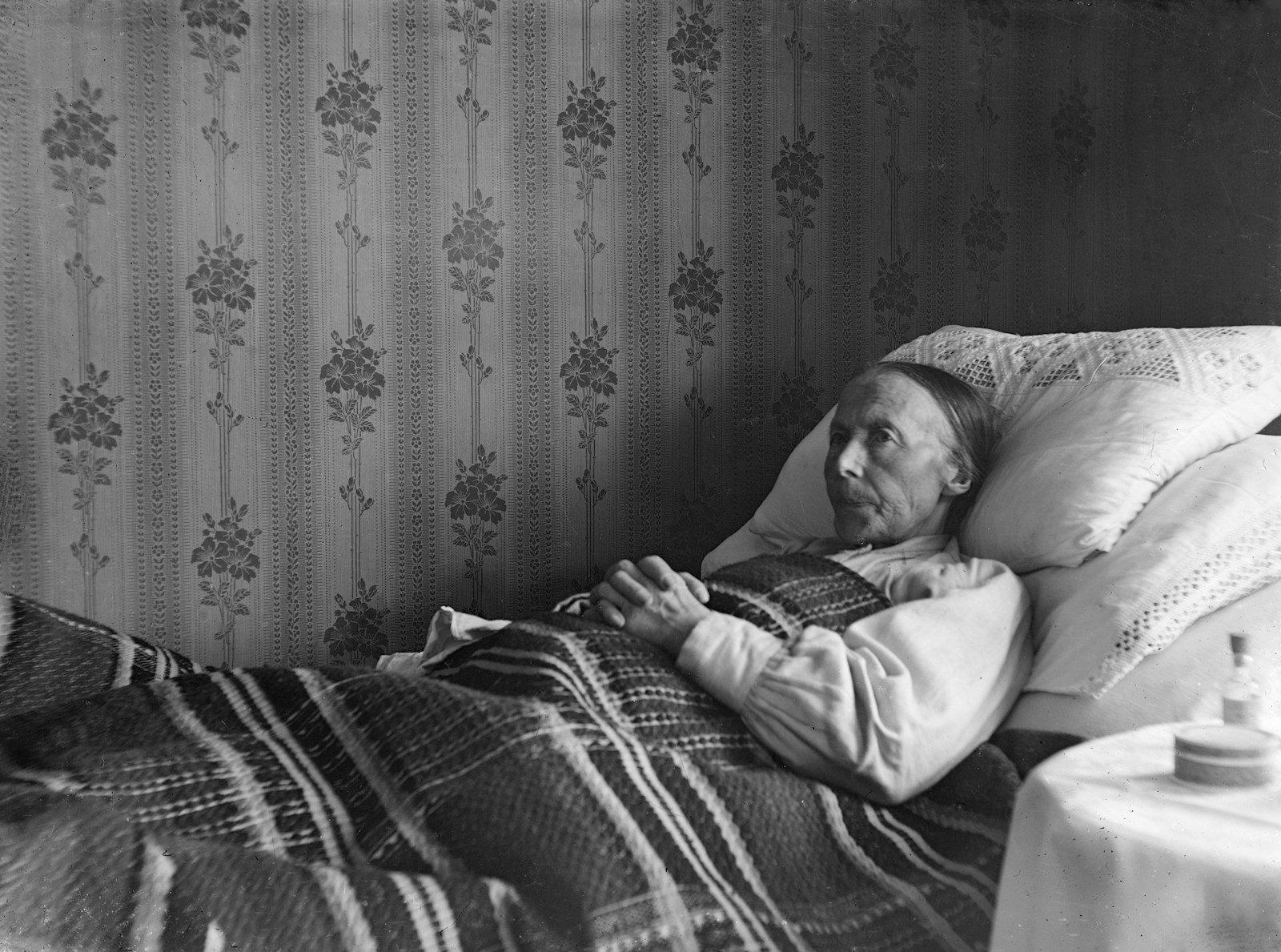
Sleep is one of those things most people take for granted until it starts changing. In your 20s, falling asleep feels effortless. You sleep deeply, wake up refreshed, and recover quickly from a late night. Then somewhere along the way, quietly and gradually, the experience of sleep shifts. You start waking earlier than you want to. You lie awake longer before falling asleep. You wake up during the night more frequently. The deep, uninterrupted sleep that used to feel automatic starts requiring more effort to achieve.
This is not imagination and it is not weakness. Sleep architecture changes with age in ways that are well documented and physiologically real. Understanding what is actually changing and why makes it significantly easier to respond to those changes constructively rather than fighting them with strategies that no longer match what your body needs.
What Actually Changes in Sleep as You Age
The changes that come with aging affect nearly every dimension of sleep, from the timing of it to the depth of it to the ease of maintaining it across the night.
Sleep architecture shifts toward lighter stages. The proportion of time spent in deep slow-wave sleep, the most physically restorative stage, declines significantly with age. Young adults typically spend 20 to 25 percent of their sleep time in deep sleep. By the time most people reach their 60s, that figure has dropped to somewhere between five and ten percent. This shift means that even when total sleep duration stays the same, the sleep is doing less restorative work per hour than it did in younger years. Physical repair, immune function, and memory consolidation all depend heavily on deep sleep, which makes this decline relevant to health in ways that go beyond simply feeling less rested.
The circadian rhythm advances earlier. The internal clock that governs sleep and wake timing shifts forward with age, a phenomenon sometimes called circadian phase advance. Older adults naturally feel sleepy earlier in the evening and wake earlier in the morning than they did in younger years. This is a genuine biological shift rather than a preference or a habit. For many people it creates a mismatch between their natural sleep timing and the social schedule they have kept for decades, which leads to either fighting the early sleepiness to maintain a familiar bedtime or waking very early and lying awake until the rest of the household stirs.
Sleep becomes more fragmented. The ability to stay asleep across the full night decreases with age. Older adults wake more frequently during the night and find it harder to return to sleep after waking. This fragmentation reduces the total amount of restorative sleep obtained even when time in bed remains adequate. Contributing factors include increased sensitivity to noise and light during sleep, changes in bladder function that increase nighttime bathroom trips, pain and discomfort from musculoskeletal conditions, and the higher prevalence of sleep disorders like sleep apnea in older adults.
Melatonin production decreases. Melatonin is the hormone that signals the body to prepare for sleep. Its production declines with age, which reduces the strength of the sleep drive and makes the transition into sleep less smooth than it was in younger years. Lower melatonin levels are associated with lighter sleep, more frequent waking, and greater sensitivity to disruptions during the night.
Sleep disorders become more common. Sleep apnea, restless legs syndrome, and periodic limb movement disorder all increase in prevalence with age. Each of these conditions fragments sleep in ways that may go unnoticed by the person experiencing them but produce significant consequences for sleep quality and daytime function. Sleep apnea in particular is substantially underdiagnosed in older adults, partly because the assumption that poor sleep is simply a normal part of aging leads people and sometimes clinicians to attribute symptoms to age rather than to a treatable condition.
Why These Changes Matter Beyond Feeling Tired
The consequences of age-related sleep changes extend well beyond daytime fatigue, though fatigue alone is significant enough to affect quality of life, safety, and cognitive performance in meaningful ways.
Reduced deep sleep has direct implications for physical health. Deep sleep is when the body releases the majority of its daily growth hormone output, which supports tissue repair, immune function, and metabolic health. Declining deep sleep with age contributes to slower recovery from illness and injury, reduced immune capacity, and changes in body composition that make maintaining muscle mass harder.
The link between sleep and cognitive health is particularly significant for older adults. Sleep is when the brain clears metabolic waste through the glymphatic system, including proteins associated with neurodegenerative conditions. Consistently poor sleep quality over years has been linked in research to higher risk of cognitive decline and dementia. Protecting sleep quality in midlife and beyond is increasingly understood as a genuine investment in long-term brain health rather than simply a comfort issue.
Mood and emotional regulation are also affected. The emotional processing that happens during REM sleep becomes less efficient when sleep is fragmented, which contributes to increased irritability, anxiety, and reduced emotional resilience in ways that compound the social and psychological challenges that often accompany aging.
What You Have Genuine Control Over
The biological changes in sleep that come with aging are real, but they do not mean that poor sleep is inevitable or untreatable. Many of the factors that determine sleep quality in older adults are modifiable, and the impact of addressing them is significant.
Keep sleep and wake times consistent seven days a week. This is the single most powerful lever available for strengthening the circadian rhythm regardless of age. Going to bed and waking at the same time daily, including weekends, reinforces the body’s internal clock and improves both the ease of falling asleep and the consistency of sleep quality. Sleeping in on weekends to compensate for weekday sleep loss disrupts the circadian rhythm rather than helping it recover.
Get morning light exposure as early as possible. Light is the primary signal that sets the circadian clock. Morning light exposure, ideally within the first hour of waking, reinforces the sleep-wake cycle and helps counteract the circadian phase advance that pulls sleep timing earlier with age. Even on overcast days, outdoor light in the morning is significantly brighter than indoor lighting and has a measurable effect on circadian rhythm strength.
Keep the bedroom cool, dark, and quiet. Because older adults are more sensitive to environmental disruptions during sleep, the sleep environment becomes more rather than less important with age. A room temperature between 16 and 19 degrees Celsius supports the core temperature drop the body needs to enter and maintain deep sleep. Blackout curtains or a sleep mask address light sensitivity. Earplugs or a white noise machine manage noise disruptions without requiring silence, which is often impractical.
Limit time in bed to time actually sleeping. One of the most counterproductive responses to age-related sleep changes is spending more time in bed to compensate for lighter or more fragmented sleep. Lying awake in bed for long periods weakens the association between the bed and sleep, which makes falling asleep harder over time. Stimulus control, getting out of bed when unable to sleep and returning only when sleepy, is one of the most effective behavioral interventions for insomnia at any age and particularly useful for older adults.
Exercise regularly and earlier in the day. Physical activity improves sleep quality in older adults in ways that are well supported by research. It increases sleep pressure, supports deeper sleep stages, and reduces the prevalence of insomnia symptoms. Timing matters because vigorous exercise close to bedtime can delay sleep onset in some people. Morning or early afternoon exercise delivers the sleep benefits without the timing conflict.
Review medications with a doctor. Many commonly prescribed medications affect sleep quality in ways that are not always communicated clearly at the time of prescribing. Diuretics increase nighttime bathroom trips. Some blood pressure medications cause vivid dreams or early waking. Certain antidepressants suppress REM sleep. Reviewing a medication list with a doctor specifically in the context of sleep quality is worth doing for any older adult experiencing significant sleep disruption, as adjustments in timing or formulation sometimes resolve sleep issues without additional intervention.
Address pain and discomfort directly. Musculoskeletal pain is one of the most common reasons older adults wake during the night, and it tends to be undertreated in the context of sleep specifically. Working with a healthcare provider to manage chronic pain, adjusting sleep position, or using supportive pillows strategically can reduce pain-related waking significantly.
When to Seek Professional Support
Some sleep changes with age fall within the range of normal biological variation and respond well to behavioral adjustments. Others indicate conditions that warrant professional evaluation. Loud snoring accompanied by witnessed breathing pauses is a strong indicator of sleep apnea that deserves medical assessment regardless of age. Uncomfortable sensations in the legs at night that create an irresistible urge to move, particularly in the evening and at rest, may indicate restless legs syndrome, which is treatable. Excessive daytime sleepiness that affects safety, particularly driving, is a symptom that warrants investigation rather than acceptance as an inevitable part of aging.
Cognitive behavioral therapy for insomnia, known as CBT-I, is the most evidence-supported treatment for chronic insomnia in older adults and is more effective in the long term than sleep medication for most people. It addresses the thoughts, behaviors, and environmental factors that perpetuate insomnia rather than simply managing symptoms, and it produces improvements that last beyond the treatment period.
Understanding how sleep changes with age is the starting point for responding to those changes in ways that protect both sleep quality and the broader health outcomes that depend on it.
Sleep Is Worth Fighting For at Every Age
The narrative that poor sleep is simply what getting older looks like is one worth pushing back against. The changes are real. The challenges are genuine. And the tools available to address them are more effective than most people realize until they try them consistently.
Sleep quality in your 50s, 60s, and beyond has direct implications for how your immune system functions, how clearly you think, how well your body recovers, and how much you enjoy the years ahead. It deserves the same deliberate attention that most people give to diet and exercise, and the return on that attention is one of the most meaningful investments in long-term health available at any age.