
Latest Posts
- How GLP-1 Medications Help People Build Healthier Long-Term Eating Habits

- Why Doctors Are Increasingly Recommending GLP-1 Medications for Type 2 Diabetes

- The Biggest Myths About Placebo Groups in Clinical Trials

- How to Protect Your Joints So They Last a Lifetime

- The Connection Between Physical Health and Mental Wellbeing

Categories
Archive
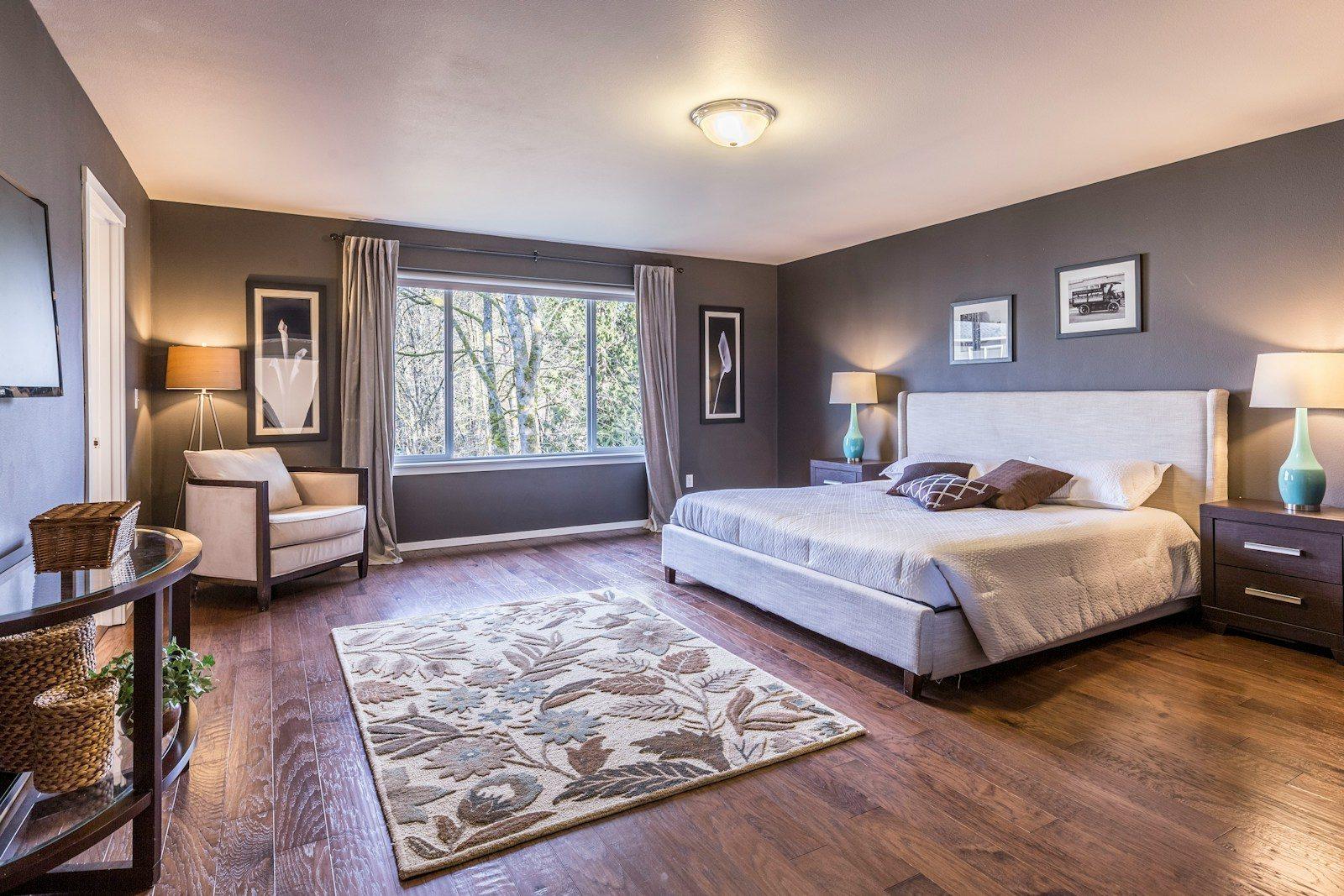
Most people think about sleep as something that happens to them rather than something they create conditions for. You get into bed, you close your eyes, and you either sleep well or you do not. The bedroom itself, the environment where all of this happens, tends to be arranged for aesthetics, convenience, or habit rather than for sleep quality. The television is in the bedroom because that is where televisions go. The phone charges on the nightstand because that is the most practical location. The curtains are decorative rather than functional. The thermostat is set for daytime comfort rather than nocturnal physiology.
What the research on sleep environment consistently shows is that these seemingly minor details are not minor at all. The physical conditions of your sleep environment have a measurable and significant effect on how quickly you fall asleep, how deeply you sleep, how many times you wake during the night, and how restored you feel when morning arrives. Optimizing those conditions is one of the most accessible and highest-return investments available for anyone who wants to sleep better without medication or dramatic lifestyle change.
The bedroom you sleep in tonight is probably not optimized for deep sleep. Most are not. The good news is that the changes required to fix that are almost entirely practical, most of them inexpensive, and all of them based on a clear physiological rationale rather than wellness speculation.
Temperature Is the Most Important Variable Most People Get Wrong
The body needs to lower its core temperature by approximately one to two degrees Celsius to initiate and sustain deep sleep. This is not a preference or a comfort issue. It is a physiological requirement. The drop in core body temperature is one of the primary signals that triggers the transition into slow-wave deep sleep, and a bedroom that is too warm prevents this process from happening as efficiently as the body needs it to.
Most sleep researchers recommend a bedroom temperature between 15 and 19 degrees Celsius, or 60 to 67 degrees Fahrenheit, for optimal sleep. This feels cool to most people, particularly those accustomed to sleeping in warmer rooms, but the research on sleep architecture at different temperatures is consistent. Warmer rooms reduce time in deep sleep, increase nighttime waking, and produce lighter, more fragmented sleep regardless of other conditions.
If controlling room temperature is difficult due to climate, building type, or shared living arrangements, there are practical alternatives that address the same physiological need. Cooling mattress pads that circulate water or air through the sleep surface reduce body temperature directly and independently of room temperature. Choosing bedding made from breathable natural fibers like cotton or linen rather than synthetic materials allows better heat dissipation during sleep. Taking a warm bath or shower 60 to 90 minutes before bed is one of the most research-supported sleep improvement techniques available, because the subsequent drop in skin temperature as the body loses the absorbed heat mimics and reinforces the natural cooling process the body uses to initiate deep sleep.
Darkness Matters More Than Most People Realize
Light and dark are the primary environmental cues the body uses to regulate melatonin production and the circadian rhythm. Even low levels of light during sleep suppress melatonin and shift sleep toward lighter stages. The level of light sensitivity during sleep is higher than most people expect, meaning that sources of light that seem trivial, the glow of a streetlight through thin curtains, the standby indicator on a television, the screen of a phone face-up on a nightstand, can measurably affect sleep depth and duration.
The standard for a sleep-optimized bedroom is genuine darkness, the kind where you cannot see your hand in front of your face once your eyes have adjusted. Achieving this typically requires blackout curtains or blackout blinds rather than standard window coverings, which block most light but not all of it. The difference between standard curtains and genuine blackout curtains in terms of light penetration is significant and worth the investment for anyone whose bedroom has meaningful ambient light from outside sources.
For people who cannot install blackout window coverings, a high-quality sleep mask achieves the same result at considerably lower cost. The fit matters because light leaking in around the edges of a poorly fitted mask reduces its effectiveness. A contoured mask that fits closely around the nose bridge and cheekbones blocks light more completely than a flat mask that sits loosely against the face.
Other light sources worth addressing include charging indicators and power lights on electronics, which can be covered with black electrical tape. Digital alarm clocks with bright displays, which can be turned face-down or replaced with models that have dimmable displays. And any device that produces light during sleep cycles, including smart speakers with illuminated rings and cable boxes with active displays.
Noise Management Goes Beyond Simple Quiet
Complete silence is not the ideal sleep sound environment for most people, and in many living situations it is not achievable regardless. What matters for sleep quality is not the absence of sound but the absence of unpredictable, variable sound. It is the contrast between quiet and sudden noise that triggers arousal during sleep, not sound at a consistent level.
This is why consistent background noise, commonly called white noise, pink noise, or brown noise depending on the frequency distribution, improves sleep quality in environments with variable ambient noise. The consistent sound floor raises the threshold at which new sounds produce contrast sufficient to trigger arousal. A door slamming in the distance that would wake a sleeper in silence may not produce an arousal response at all when masked by a consistent background sound.
White noise machines produce a broadband sound similar to static. Pink noise, which has more energy in the lower frequencies, sounds more like rainfall or rushing water and is preferred by many people over the slightly harsher quality of white noise. Brown noise has even more low-frequency energy and sounds like deep wind or a distant waterfall. All three have research support for improving sleep onset and reducing nighttime waking in noisy environments.
Fan noise serves a similar masking function while also addressing the temperature variable, making a fan one of the most practical dual-purpose sleep environment investments available. Nature sound recordings, ocean waves, rain, and forest sounds function similarly to pink and brown noise and are readily available through phone apps or dedicated devices.
For people who share a sleep environment with a partner who snores, ear plugs combined with positional adjustments for the snoring partner, who may benefit from sleeping on their side rather than their back, addresses the problem more directly. Snoring severe enough to significantly disrupt a partner’s sleep is also worth evaluating medically, as it can indicate sleep apnea that affects the snorer’s own sleep quality independently of its effect on the person sharing the room.
The Bed Itself Is Worth Investing In
Sleep is the activity you spend more time doing than any other single thing in your life, and the surface you do it on has a direct effect on sleep quality through two primary pathways. Physical comfort, meaning the absence of pressure points, pain, and discomfort that cause shifting, waking, and shallow sleep. And temperature regulation, meaning the extent to which the mattress and bedding support or work against the body’s need to cool during sleep.
Mattress selection is genuinely individual in ways that make specific recommendations less useful than principles. The relevant principle is that a mattress should support the spine in a neutral position without creating pressure points at the hips and shoulders, which are the most common sites of sleep-disrupting discomfort. Whether a firm or soft mattress achieves this depends on body weight, sleep position, and individual anatomy rather than any universal rule.
Pillow height and firmness determine cervical spine alignment during sleep, and misalignment here contributes to the neck pain, headaches, and shoulder tension that many people wake with and attribute to sleeping wrong rather than to pillow incompatibility. Side sleepers generally need a higher, firmer pillow that fills the gap between the shoulder and the head. Back sleepers need a flatter pillow that supports the natural cervical curve without pushing the head forward. Stomach sleeping is worth discouraging from a spinal health perspective, but if it is unavoidable, a very thin pillow or no pillow at all reduces the degree of cervical rotation it requires.
Remove the Technology That Disrupts Sleep
The bedroom has become one of the most technology-dense rooms in most homes, and technology is one of the most consistent environmental disruptors of sleep quality. The phone on the nightstand is the most significant single item in this category for most people.
The problems with bedroom technology are multiple. Screens emit blue-spectrum light that suppresses melatonin production and delays sleep onset. Notifications, even on silent, create anticipatory arousal that keeps the nervous system in a lighter state of alertness than sleep requires. The habit of checking the phone immediately before sleep and immediately upon waking compresses the wind-down and wake-up periods that sleep quality depends on. The temptation to check the phone during nighttime waking converts what might be a brief arousal back into full wakefulness.
Moving the phone out of the bedroom is the most effective single intervention many people can make for sleep quality. The resistance to this suggestion is almost always practical, with the most common objection being that the phone serves as an alarm clock. A dedicated alarm clock costing less than fifteen dollars resolves this entirely and removes the justification for the phone’s presence in the sleep environment.
Televisions in bedrooms present a similar problem. The stimulation of television content, including news, drama, and anything that produces emotional engagement, is incompatible with the nervous system state that deep sleep requires. Many people fall asleep to the television, which feels like evidence that it helps, but sleep initiated by screen stimulation tends to be lighter and more fragmented than sleep initiated after genuine wind-down. The television’s light and sound also continue to affect sleep architecture after consciousness is lost, reducing deep sleep stages throughout the night.
Create a Sleep-Only Association With the Bed
The principle of stimulus control in sleep science holds that the bed should be strongly associated with sleep and nothing else. When the bed becomes the location for work, television, scrolling, eating, or other waking activities, its power as a sleep cue diminishes. The brain learns through association, and a bed associated with multiple activities is a weaker trigger for sleep than one used exclusively for sleeping.
Building this association means getting out of bed if you are awake and unable to sleep for more than twenty minutes, rather than lying awake in bed where wakefulness becomes the associated state. It means not working from bed, eating in bed, or watching television in bed. It means going to bed only when genuinely sleepy rather than at a scheduled time that may precede actual sleepiness.
When combined with the environmental optimizations above, this behavioral principle completes the picture of a sleep environment that works actively in favor of deep, restorative sleep rather than simply providing a place where sleep is attempted.
For people who have tried environmental improvements and still struggle with falling or staying asleep, exploring natural insomnia remedies that complement a well-optimized bedroom environment offers additional tools worth considering before turning to pharmaceutical intervention.
The Environment You Sleep In Is a Health Decision
Every element of your sleep environment is either working for your sleep quality or against it. Temperature, darkness, noise, bedding, technology, and behavioral associations all contribute to whether the hours you spend in bed produce the deep, restorative sleep your body and brain depend on for health, function, and wellbeing.
Most of these variables are within your control and most of the changes required to optimize them are straightforward, inexpensive, and immediately actionable. The bedroom that promotes deep sleep is not a luxury reserved for people with large budgets or perfect living situations. It is a practical, deliberate arrangement of the space you already have, built around what your physiology actually needs rather than around habit, convenience, or aesthetics that have nothing to do with sleep.