
Latest Posts
- How GLP-1 Medications Help People Build Healthier Long-Term Eating Habits

- Why Doctors Are Increasingly Recommending GLP-1 Medications for Type 2 Diabetes

- The Biggest Myths About Placebo Groups in Clinical Trials

- How to Protect Your Joints So They Last a Lifetime

- The Connection Between Physical Health and Mental Wellbeing

Categories
Archive
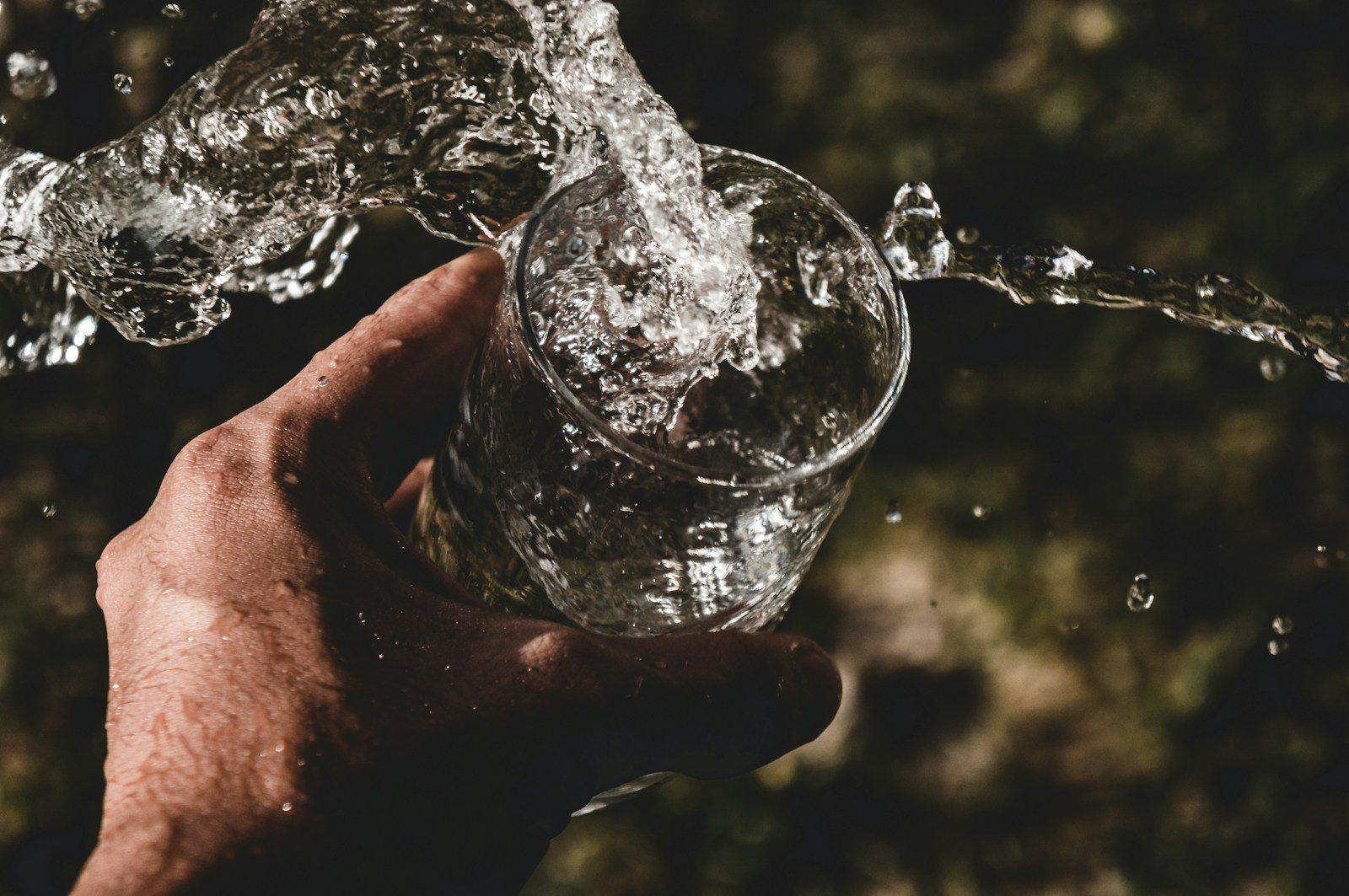
Water does not have a marketing budget. It does not come in sleek packaging with a list of clinical benefits printed on the side. It does not get featured in wellness influencer content as a breakthrough discovery. It is just water, available from almost every tap in the developed world, and precisely because it is so ordinary and so accessible, most people underestimate how profoundly their daily hydration status affects how they feel, think, and function.
Dehydration is one of the most common and most consistently overlooked contributors to fatigue, brain fog, headaches, poor physical performance, mood disruption, and digestive problems. The gap between adequate and inadequate hydration for most people is not dramatic. It does not require being thirsty to the point of dizziness. Even mild dehydration, a body water deficit of as little as one to two percent of body weight, produces measurable and meaningful declines in cognitive performance, physical capacity, and overall wellbeing.
The most underrated part of all of this is that most people spend significant portions of most days mildly dehydrated without realizing it, attributing the consequences to other causes entirely.
What Water Actually Does in Your Body
The body is approximately 60 percent water, and that water is involved in virtually every biological process that keeps you alive and functioning. Blood, which is roughly 90 percent water, carries oxygen and nutrients to every cell and removes waste products from them. Joints are cushioned by fluid that is largely water. The kidneys filter waste from the blood using water and excrete it as urine. Digestion requires water at multiple stages. Core temperature is regulated through sweat, which is water. Nutrients are dissolved in water for transport and absorption. Cellular function across every tissue and organ system depends on adequate hydration to maintain the chemical gradients that drive biological processes.
When water intake falls below what the body needs to maintain these functions, the consequences are not isolated to any single system. They are distributed across all of them simultaneously, which is why the symptoms of mild dehydration are so varied and so easily misattributed to other causes.
The Cognitive Cost of Mild Dehydration
The brain is particularly sensitive to hydration status. Research on cognitive performance and hydration has found that a one to two percent reduction in body water, which most people would not even register as feeling particularly thirsty, produces measurable declines in attention, working memory, processing speed, and executive function. It increases the perception of task difficulty, meaning the same cognitive work feels harder when you are mildly dehydrated than when you are adequately hydrated. It worsens mood, increasing feelings of fatigue, anxiety, and tension in ways that have been documented in controlled trials.
For desk workers, students, and anyone whose daily demands involve sustained cognitive performance, this matters enormously. The afternoon mental fog that most people treat as an inevitable feature of the working day is in many cases at least partly a hydration deficit that has accumulated across the morning hours. Drinking water consistently across the morning rather than reacting to thirst in the afternoon addresses the cause rather than simply managing the symptom with caffeine.
Physical Performance Drops Faster Than Most People Realize
The physical consequences of dehydration are well established in sports science and consistently underappreciated in everyday life. A two percent reduction in body water, still not a level most people would describe as noticeably thirsty, reduces aerobic performance by up to ten percent, reduces strength, and significantly increases the perception of physical effort. Exercise feels harder, recovery is slower, and the risk of heat-related illness increases substantially.
These effects are not limited to competitive athletes. Anyone who exercises regularly, walks as a primary form of transportation, or does physical work as part of their job is affected by hydration status in ways that directly influence how productive and how comfortable their physical activity feels. People who begin drinking water more consistently before and during physical activity consistently report that it feels easier and more sustainable, which is a direct consequence of restored hydration rather than a placebo effect.
Digestion, Skin, and Other Areas That Depend on Water
Constipation is one of the most common digestive complaints in adults, and inadequate water intake is one of its most common and most fixable contributors. Water is required to keep the contents of the large intestine soft enough to move through efficiently. Without adequate hydration, the colon extracts more water from waste material, producing harder stools that are more difficult and uncomfortable to pass. Increasing water intake is among the first recommendations in the management of chronic constipation for this reason.
Kidney health depends on adequate hydration to dilute waste products and prevent the concentration of minerals that leads to kidney stone formation. People with a history of kidney stones are consistently advised to maintain high fluid intake as a primary preventive strategy.
Skin hydration has a more nuanced relationship with water intake than the skincare industry sometimes implies, but research does support that adequate hydration maintains skin elasticity and reduces the appearance of dryness and fine lines in people who are genuinely under-hydrated. The effect is most visible in people moving from significant under-hydration to adequate intake rather than in people who are already reasonably hydrated.
Why Thirst Is a Lagging Indicator
The most important practical point about hydration is that thirst arrives after mild dehydration has already begun. By the time you feel thirsty, your body is already operating at a water deficit that is affecting your cognition, your mood, and your physical function. Thirst is a useful emergency signal but a poor everyday guide to optimal hydration.
Older adults are particularly vulnerable to this lag because the sensitivity of the thirst mechanism decreases with age. Seniors can be significantly dehydrated without feeling thirsty, which contributes to the higher rates of dehydration-related complications in older populations. Building regular drinking habits that do not depend on thirst as the trigger is therefore increasingly important as you age.
Urine color is a more reliable real-time indicator of hydration status than thirst. Pale straw yellow indicates adequate hydration. Darker yellow or amber indicates a deficit worth addressing. Completely clear urine may indicate over-hydration, which is less common but worth noting as a signal to ease back slightly.
How Much Water Do You Actually Need
The commonly cited recommendation of eight glasses per day is a rough guideline rather than a precise prescription. Actual needs vary based on body size, activity level, climate, diet composition, and individual physiology. A large, physically active person in a hot climate needs considerably more water than a smaller, sedentary person in a cool one.
A more practical approach than counting glasses is drinking consistently across the day, starting with water first thing in the morning before any caffeine, keeping water accessible at your workspace and taking regular sips, drinking before and during any physical activity, and using urine color as an ongoing calibration tool.
Food contributes meaningfully to daily fluid intake. Fruits and vegetables with high water content, including cucumbers, watermelon, oranges, and celery, provide water alongside fiber and micronutrients. Herbal teas and other non-caffeinated beverages count toward daily intake. Caffeinated beverages like coffee and tea, despite their mild diuretic effect, still contribute net fluid to daily intake in moderate amounts, though plain water remains the most efficient and most beneficial hydration source available.
The inflammation connection is worth noting here too. Adequate hydration supports the kidneys in filtering inflammatory waste products from the blood and supports the gut microbiome in ways that reduce systemic inflammation over time. Pairing consistent hydration with the principles of an anti-inflammatory diet gives the body a comprehensive foundation for managing the chronic low-grade inflammation that underlies so many common health concerns.
The Simplest Habit With Some of the Biggest Returns
Hydration will never be as exciting as the latest supplement or the newest dietary protocol. It will not generate headlines or sell wellness products. What it will do, practiced consistently, is support cognitive performance, physical capacity, digestive health, mood stability, kidney function, and long-term wellbeing in ways that are genuinely significant and genuinely underappreciated.
Drink water before you are thirsty. Keep it visible and accessible. Start the day with it before anything else. The returns on this habit, applied consistently across months and years, are greater than most people give it credit for until they actually experience the difference it makes.